Heavy tube processing is getting smarter, faster, and more profitable. See how a modern Fiber laser tube cutting machine helps manufacturers cut thick and large profiles with better accuracy, lower waste, and higher production speed before your competitors move ahead.
In modern metal fabrication, manufacturers are handling thicker tubes, larger profiles, and complex structures every day. Industries such as construction, automotive, heavy engineering, agriculture, oil and gas, and infrastructure require strong and accurate tube processing solutions. However, traditional cutting methods often create production delays, inaccurate cuts, high material waste, and additional finishing work.
This is why many manufacturers are shifting toward advanced Tube cutting machine solutions. A modern Fiber laser tube cutting machine helps businesses process thick and large profiles with better precision, faster speed, and lower operational costs.
Today, manufacturers need a system that can manage heavy materials while maintaining consistent cutting quality. A heavy-duty tube cutting machine is designed specifically for these demanding industrial applications.
Why Traditional Tube Processing Creates Challenges
Many fabrication companies still depend on conventional cutting methods such as sawing, drilling, plasma cutting, and manual grinding. Although these methods are commonly used, they create several production limitations. Common challenges include:
-
- Poor edge quality
- High heat distortion
- Slow production speed
- More material wastage
- Multiple secondary operations
- Inconsistent cutting accuracy
- Increased labor dependency
- Difficulty processing thick profiles
Because of these limitations, manufacturers often struggle to maintain delivery timelines and production quality.
This is where a CNC Laser Cutting Machine for tube processing changes the entire workflow.
What Is a Heavy Duty Tube Cutting Machine?
A heavy-duty Tube cutting machine is specially designed to process thick-wall tubes, large profiles, structural sections, and heavy metal components. Unlike standard machines, these systems are built with reinforced machine structures, high-power fiber lasers, advanced chuck systems, and intelligent automation.
A Fiber laser tube cutting machine can process:
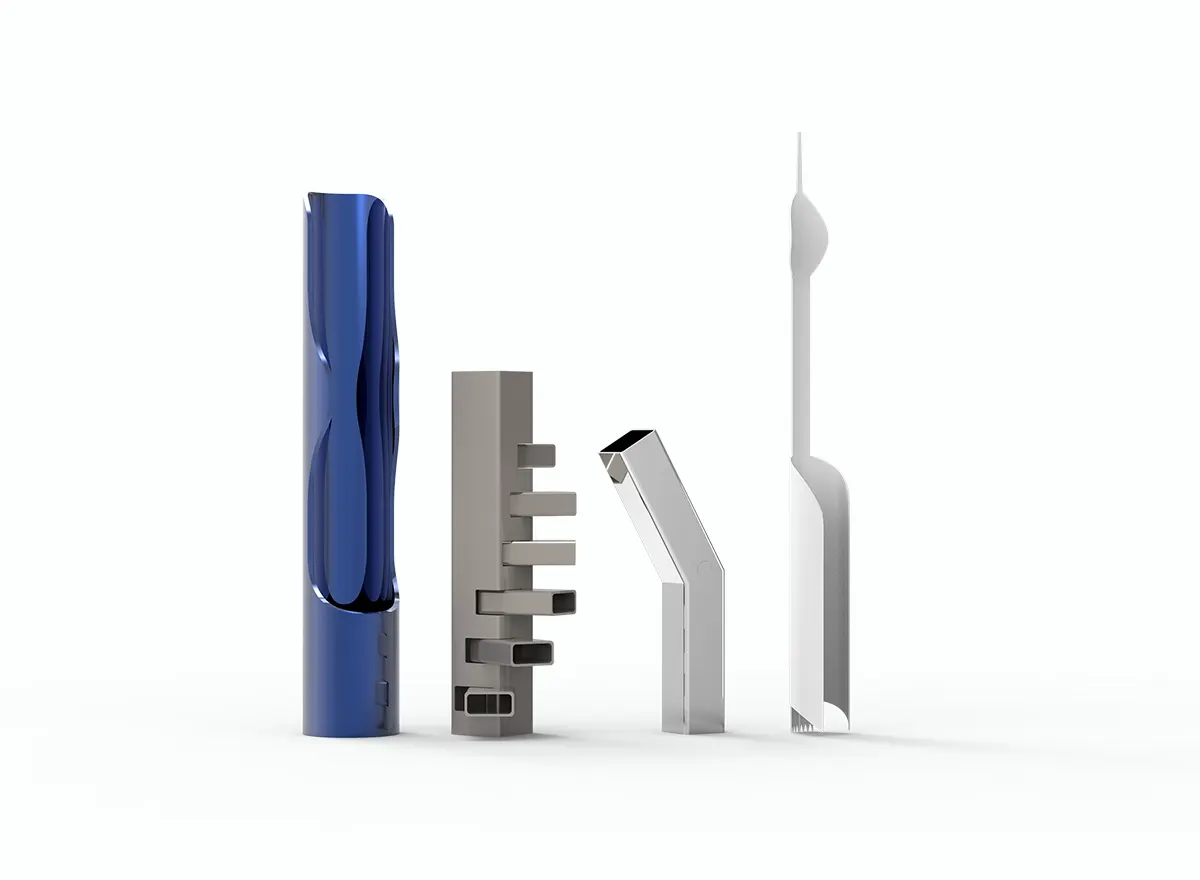
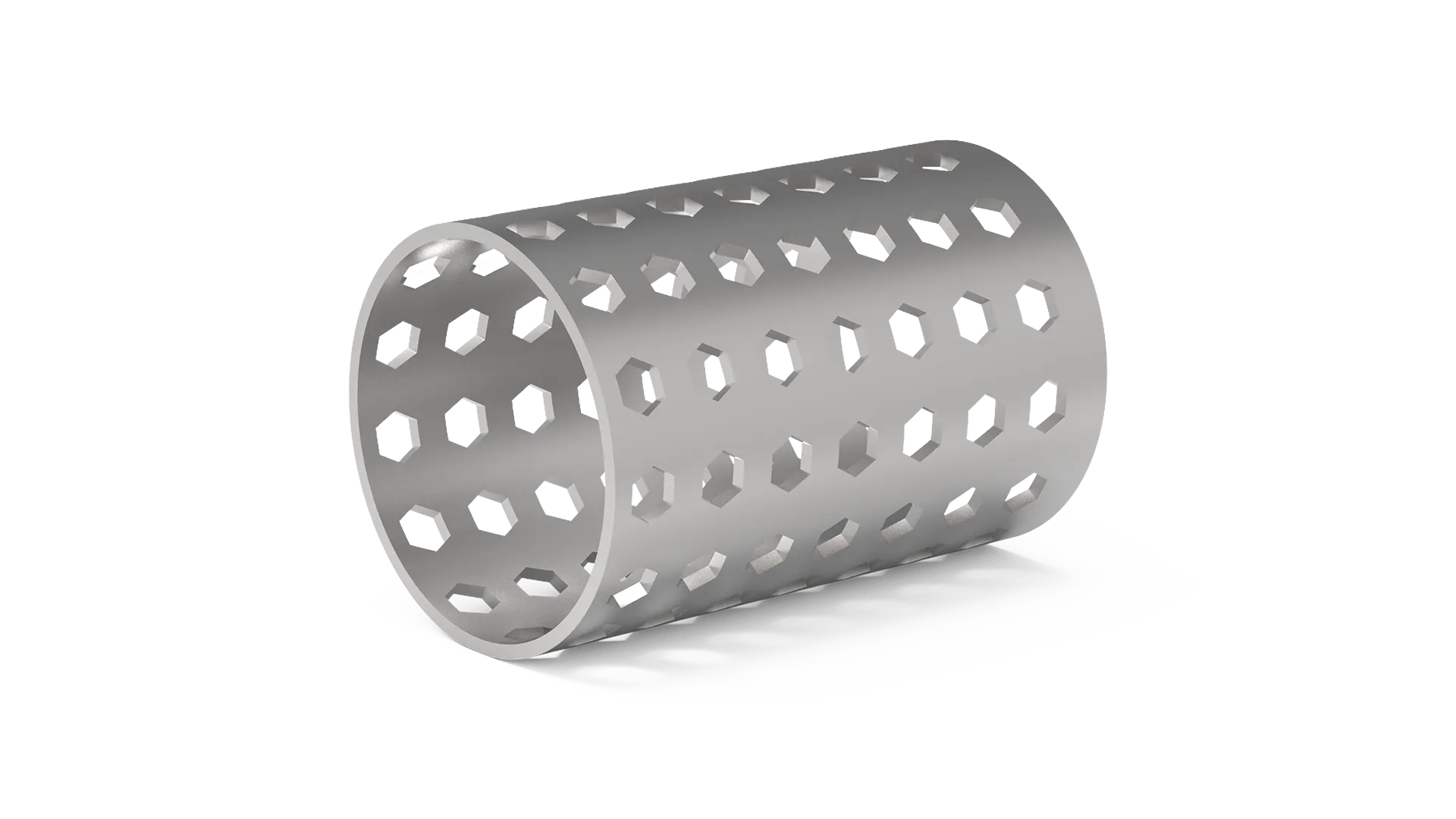
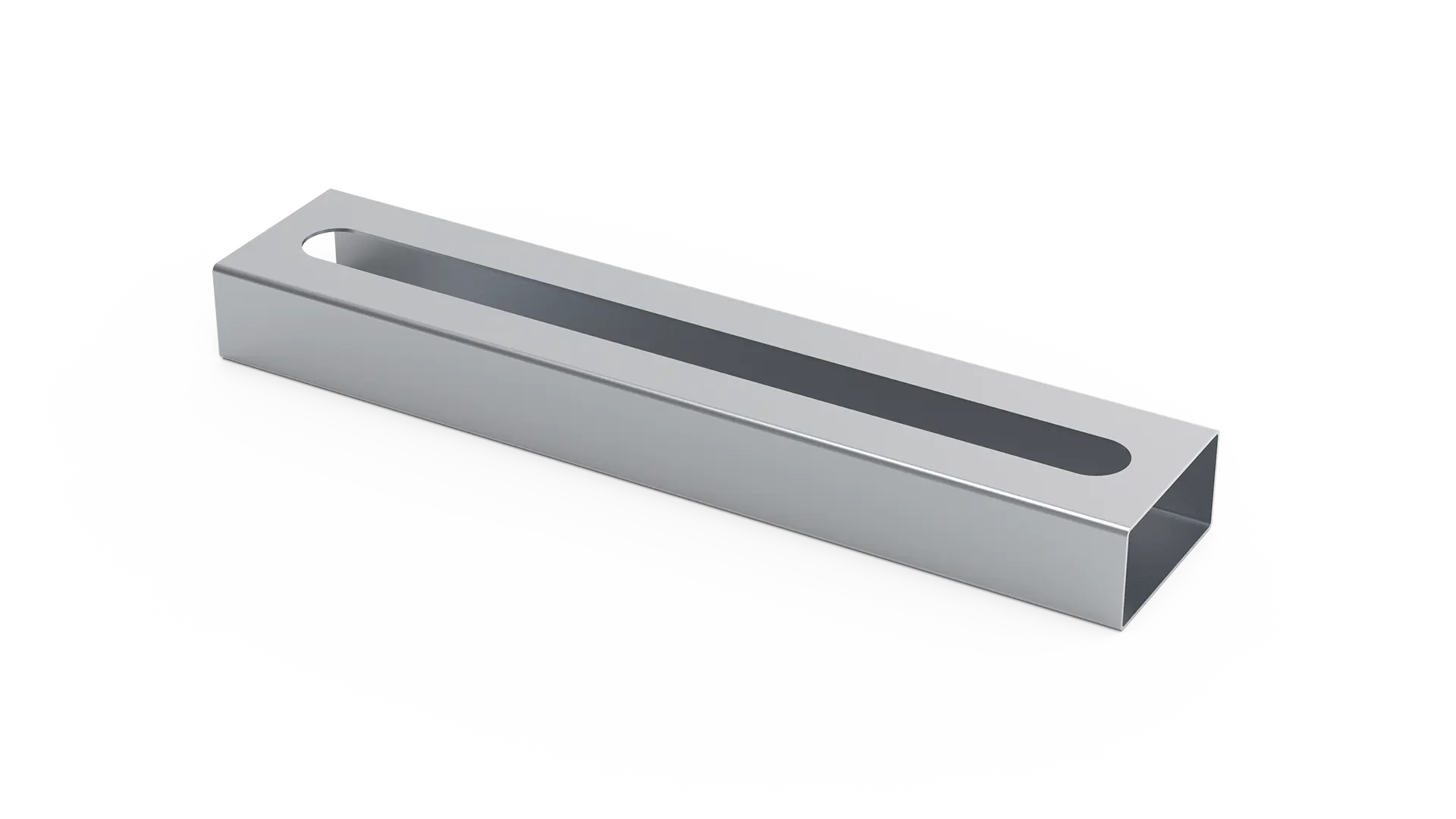
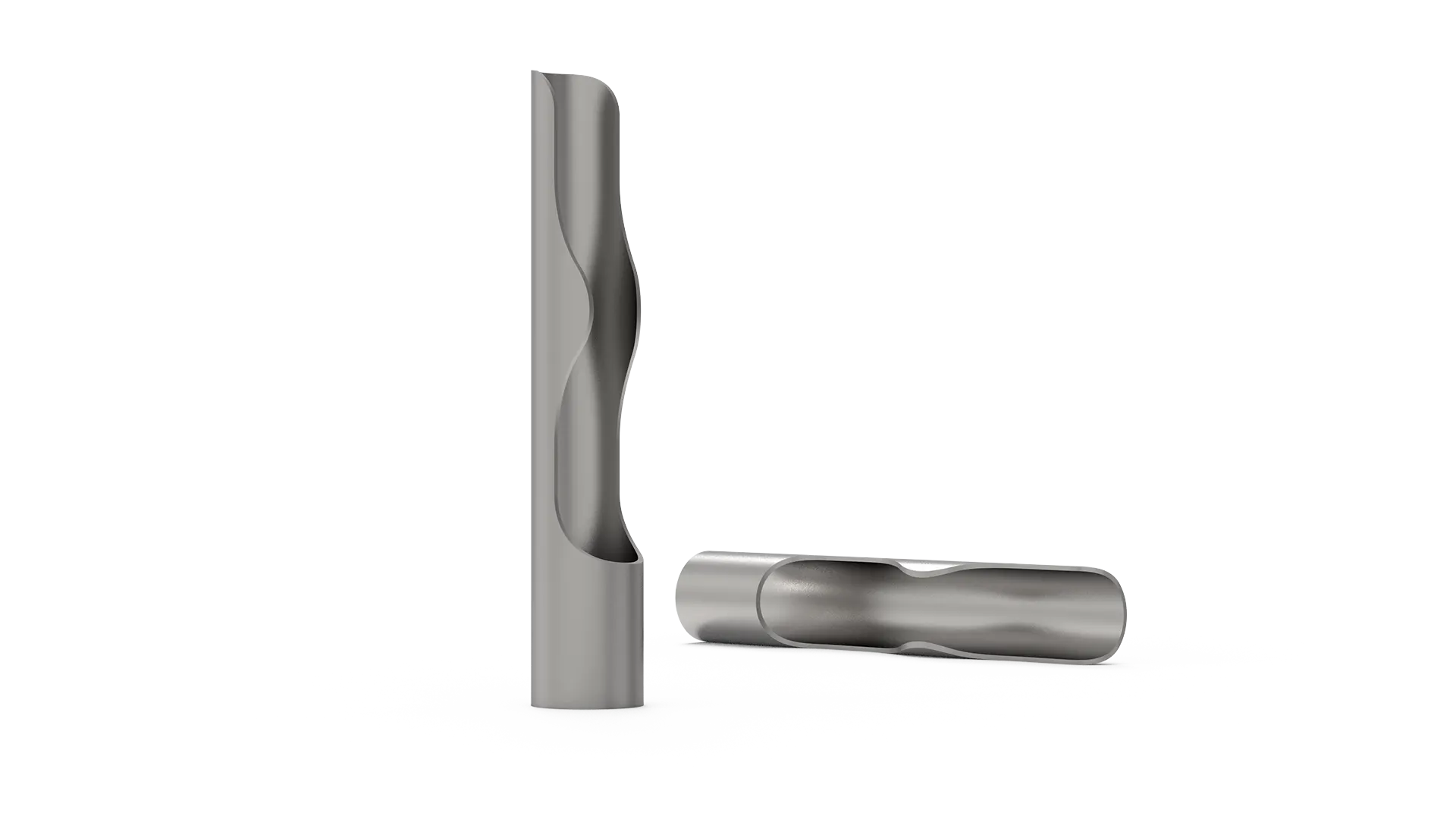
- Round tubes
- Square tubes
- Rectangular profiles
- Oval tubes
- I-beams
- H-beams
- C-channels
- Angle sections
- Custom metal profiles
These machines are widely used where strength, precision, and continuous production are required.
Strong Machine Structure for Heavy Processing
The biggest advantage of a heavy-duty Tube cutting machine is its rigid machine structure. Thick and large metal profiles create vibration during cutting. Therefore, the machine frame must remain stable during high-speed operations. Heavy-duty machines are manufactured using reinforced steel structures and stress-relief treatments.
Because of this strong structure, manufacturers get:
- Better cutting stability
- Higher positioning accuracy
- Lower vibration
- Improved edge quality
- Long-term machine durability
This stability becomes extremely important while processing long structural tubes and heavy profiles.
High Power Fiber Laser Source for Thick Materials
Thick metal processing requires higher laser power. Therefore, modern Fiber laser tube cutting machine systems are equipped with powerful laser sources ranging from 6kW to 20kW and above. High-power laser systems help manufacturers cut:
- Thick mild steel
- Stainless steel
- Aluminum
- Brass
- Copper
- Heavy structural alloys
A high-power Tube cutting machine improves penetration speed and reduces cutting time. At the same time, it also delivers clean edges with minimal burr formation. As a result, manufacturers reduce secondary grinding and finishing operations.
Advanced 4 Chuck Technology for Better Stability
One of the major innovations in modern tube processing is the 4 chuck system. Manufacturers processing long and heavy tubes often face material vibration and deflection issues. However, a 4 chuck Tube cutting machine provides better tube holding and rotation stability.
You can also read our detailed blog on Features of 4 Chuck Tube Cutting Machine: Advanced Technology for Precision Tube Processing to understand how this technology improves accuracy and reduces tail material.
A 4 chuck Fiber laser tube cutting machine helps businesses achieve:
- Better profile support
- Reduced vibration
- Higher cutting precision
- Near-zero tailing
- Better long tube processing
- Improved automation
This technology is highly useful for structural fabrication and heavy engineering industries.
Intelligent Tube Nesting Software Improves Material Utilization
Material cost is one of the biggest expenses in metal fabrication. Therefore, intelligent nesting software plays an important role in improving productivity. Modern Tube cutting machine systems use advanced software that automatically optimizes part placement. This helps manufacturers reduce scrap generation and improve raw material utilization.
You can also explore our blog on SLTL Bolt: The Advanced Tube Nesting Software Revolutionizing Tube Cutting to understand how intelligent nesting improves operational efficiency.
Advanced software also helps with:
- Faster programming
- Automatic collision avoidance
- Real-time monitoring
- Better production planning
- Faster job setup
- Improved repeatability
Because of automation, operators can complete complex jobs with minimal manual intervention.
Superior Precision for Heavy Profiles
Precision becomes extremely important while manufacturing structural and load-bearing components. A Fiber laser tube cutting machine delivers highly accurate cuts even on thick and large profiles. The focused laser beam creates smooth edges with minimal heat-affected zones.
This directly improves:
- Welding quality
- Assembly accuracy
- Structural strength
- Product appearance
- Production consistency
As a result, manufacturers save time during fitment and assembly operations.
Faster Production with Automated Tube Processing
Production speed directly impacts profitability. Traditional tube processing often requires multiple operations including drilling, cutting, grinding, marking, and welding preparation. However, a CNC Laser Cutting Machine combines several operations into one automated process.
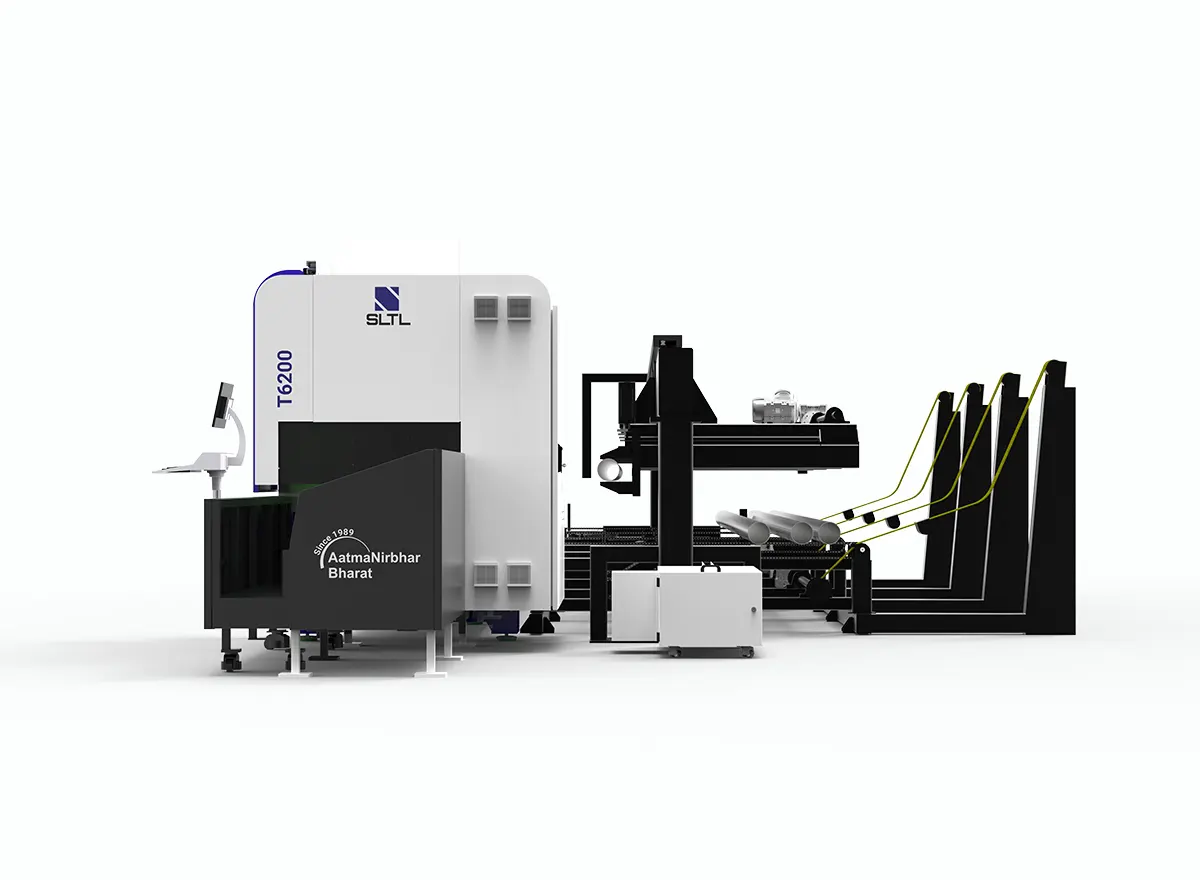
This reduces:
- Manual labor
- Setup time
- Production delays
- Secondary processing
- Handling errors
At the same time, production throughput increases significantly. Manufacturers looking to improve complete fabrication workflows can also read How Combining Laser Cutting, Welding and Marking Machine Reduces Operational Costs.
Combining multiple laser technologies helps businesses improve production efficiency while reducing operational expenses.
Industries Using Heavy Duty Tube Cutting Machine Solutions
Construction and Infrastructure
The construction industry uses heavy-duty Tube cutting machine systems for processing structural components.
Applications include:
- Structural frameworks
- Bridge components
- Building supports
- Architectural structures
- Scaffolding systems
Because laser cutting provides accurate joints and profiles, fabrication quality improves significantly.
Automotive and EV Manufacturing
The automotive sector increasingly uses Fiber laser tube cutting machine solutions for chassis, frames, exhaust systems, and structural components. EV manufacturers especially require lightweight and high-strength tube processing. You can also read Why EV Manufacturers Prefer Tube Laser Cutting for Battery & Chassis Components to understand how laser technology supports electric vehicle production.
The automotive industry benefits from:
• Faster production
• Better consistency
• Lightweight component manufacturing
• High-strength cutting accuracy
• Reduced production waste
Heavy Engineering and Industrial Equipment
Heavy-duty equipment manufacturers use Tube cutting machine systems for:
- Crane booms
- Excavator structures
- Mining equipment
- Conveyor systems
- Industrial frames
These industries require thick material processing with consistent structural integrity.
Agriculture Machinery Manufacturing
Agriculture equipment manufacturers require strong and durable tube structures. Applications include:
- Tractor frames
- Harvester structures
- Irrigation systems
- Livestock handling equipment
Laser tube processing improves production consistency and machine durability.
Oil and Gas Industry
The oil and gas industry processes large-diameter pipes and heavy structural sections. A Fiber laser tube cutting machine helps manufacturers achieve accurate pipe cuts and strong welding preparation. Applications include:
- Pipeline sections
- Offshore structures
- Drilling equipment
- Fluid handling systems
Reduced Material Waste Improves Profitability
Raw material cost continues to rise across industries. Therefore, reducing scrap generation has become extremely important for fabrication businesses. Advanced Tube cutting machine software improves nesting and reduces tail material. Because of accurate cutting and intelligent programming, manufacturers achieve better material utilization.
This directly improves:
- Production profitability
- Material savings
- Sustainability goals
- Operational efficiency
Better Safety and Lower Labor Dependency
Heavy profile handling can create safety risks during manual operations. Modern Fiber laser tube cutting machine systems reduce manual lifting and positioning through automation. Features such as:
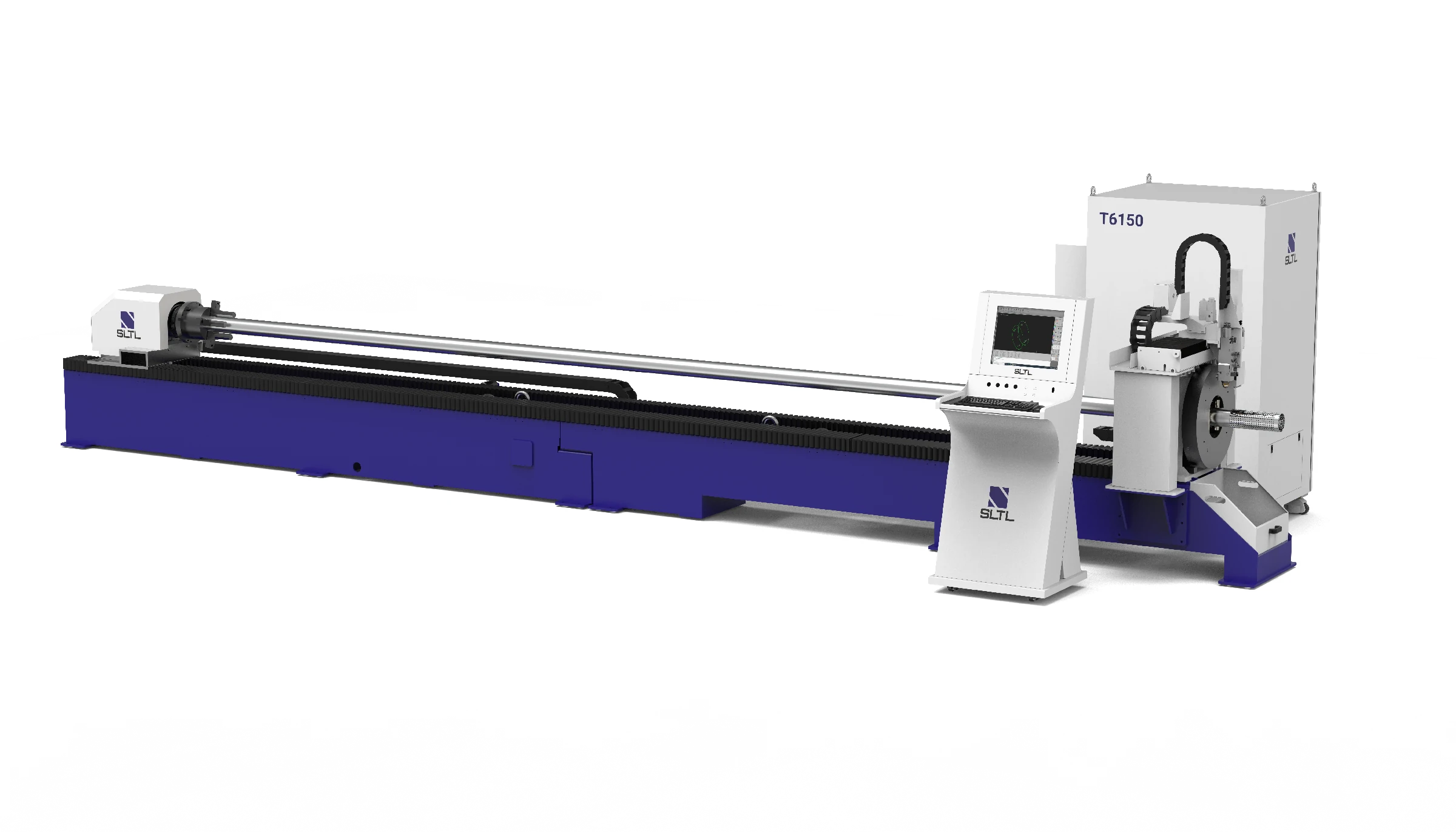
- Automatic loading systems
- Roller support systems
- Enclosed cutting areas
- Safety interlocks
- Real-time monitoring
help improve workplace safety and reduce operator fatigue.
Important Factors Before Buying a Tube Cutting Machine
Before investing in a Tube cutting machine, manufacturers should evaluate their production requirements carefully.
- Tube Size and Weight Capacity: Check the maximum tube diameter, profile size, and weight the machine can handle.
- Laser Power Requirement: Higher laser power helps process thicker materials faster.
- Automation Features: Automatic loading and unloading systems improve production efficiency.
- Software Compatibility: Advanced software helps with nesting, programming, and production management.
- Service and Support: Reliable technical support is important for reducing downtime.
- Future Production Expansion: Select a machine that supports future business growth and production scaling.
Experience Live Tube Cutting Machine Demonstration at SLTL Demo Day
Manufacturers planning to invest in advanced tube processing technology can experience live machine demonstrations during the SLTL Demo Day.
The event allows visitors to:
- See live tube cutting operations
- Understand automation features
- Evaluate cutting quality
- Explore software capabilities
- Discuss production challenges with experts
- Find the right Fiber laser tube cutting machine for their business
This is an excellent opportunity for fabrication companies looking to improve productivity and reduce operational costs.
For demo registration and machine consultation, contact SLTL directly.
Future of Fiber Laser Tube Cutting Machine Technology
Tube processing technology is continuously evolving.
Modern Fiber laser tube cutting machine systems are becoming smarter through:
- AI-based optimization
- IoT integration
- Predictive maintenance
- Faster automation
- Improved software intelligence
- Better energy efficiency
As manufacturing demands continue to increase, advanced tube processing solutions will become even more important for industrial production.
Conclusion
A heavy-duty Tube cutting machine is one of the best investments for manufacturers processing thick and large metal profiles. It improves cutting precision, production speed, material utilization, and automation while reducing operational costs.
Modern Fiber laser tube cutting machine systems help businesses stay competitive in industries where accuracy, speed, and structural quality are critical. Whether you are working in construction, automotive, agriculture, heavy engineering, or industrial fabrication, advanced tube laser processing can significantly improve your manufacturing capabilities.
If you are planning to upgrade your fabrication setup, visit the SLTL Demo Day and experience advanced tube cutting technology live. For more information about Tube cutting machine solutions, contact SLTL Group at +91 9925036495 or email mkt@sltl.com. You can also visit SLTL Group to explore advanced laser cutting technologies for modern manufacturing.
FAQs
1. I process thick metal tubes. Which Tube cutting machine should I choose?
You should choose a heavy-duty Fiber laser tube cutting machine with higher laser power and strong chuck support. It helps you process thick and large profiles with better accuracy, faster speed, and lower vibration.
2. I want to cut heavy structural profiles. Can a Fiber laser tube cutting machine handle them?
Yes, you can process heavy structural profiles like H-beams, I-beams, C-channels, and thick tubes using an advanced Tube cutting machine. Modern machines are specially designed for heavy industrial applications.
3. I am facing vibration issues while cutting long tubes. How can I solve this?
You should use a 4 chuck Tube cutting machine. It gives better tube holding support and reduces vibration during high-speed cutting. This improves cutting accuracy and edge quality.
4. I want to reduce material wastage in tube processing. Will this machine help?
Yes, you can reduce material waste significantly with intelligent nesting software. A Fiber laser tube cutting machine optimizes part placement and reduces tail material.
5. I currently use plasma cutting for tubes. Why should I shift to laser cutting?
You can achieve cleaner cuts, faster production, lower heat distortion, and better precision with a Tube cutting machine. It also reduces secondary grinding and finishing work.
6. I want faster production for heavy tube processing. Is laser cutting suitable?
Yes, you can improve production speed because a CNC Laser Cutting Machine combines cutting, hole making, and profile processing into one automated operation.
7. I manufacture heavy equipment parts. Can this machine improve my production quality?
Yes, you can achieve smoother edges, better welding preparation, and more accurate assemblies with a Fiber laser tube cutting machine.
8. I work in the construction industry. Is a Tube cutting machine useful for my business?
Yes, you can use it for structural frameworks, bridge parts, building supports, scaffolding systems, and architectural structures.
9. I manufacture EV and automotive parts. Why should I invest in tube laser cutting?
You can manufacture lightweight and high-strength components with better consistency and faster production using a Fiber laser tube cutting machine.
10. I want to process thick mild steel and stainless steel tubes. What laser power should I choose?
You should select higher laser power based on your material thickness and production requirements. High-power Tube cutting machine systems cut thick materials faster and more accurately.
11. I want to reduce labor dependency in tube processing. Can automation help?
Yes, you can reduce manual handling through automatic loading, unloading, and intelligent software automation in a modern Tube cutting machine.
12. I am planning to expand my fabrication business. Is this machine a good long-term investment?
Yes, you can increase production capacity, improve cutting quality, reduce operational costs, and take more complex projects with a Fiber laser tube cutting machine.
13. I want cleaner cuts with minimal burr formation. Can laser cutting provide that?
Yes, you can achieve smooth edges and minimal burr formation because the laser beam delivers highly focused cutting energy.
14. I handle custom tube profiles. Can this machine process different shapes?
Yes, you can process round, square, rectangular, oval, and custom profiles using an advanced Tube cutting machine.
15. I want to see the machine before buying. Can I get a live demo?
Yes, you can visit the SLTL Demo Day to experience live Tube cutting machine demonstrations, understand machine capabilities, and discuss your production requirements with experts.
16. I am worried about after-sales support. What should I check before buying?
You should check the company’s technical support, spare parts availability, training assistance, and service response time before investing in a Fiber laser tube cutting machine.
17. I want to reduce operational costs in my fabrication shop. Will this machine help?
Yes, you can lower production costs by reducing labor dependency, material waste, secondary operations, and production time with a Tube cutting machine.
18. I need a machine for continuous industrial production. Is this suitable?
Yes, you can run continuous heavy-duty production because these machines are built with strong machine structures and industrial automation features.
19. I want expert guidance before investing in a Tube cutting machine. How can I contact SLTL?
You can contact SLTL Group at +91 9925036495 or email mkt@sltl.com for machine consultation, live demos, and production guidance. You can also visit www.sltl.com for more details.
Author Bio

Mayank Patel
R&D HeadMayank Patel is the Head of Research & Development at SLTL Group, bringing over 20+ years of hands-on experience in the field of laser technology. A forward-thinking innovator, he has played a pivotal role in developing advanced laser cutting, welding, and marking solutions tailored for diverse industries. Under his leadership, SLTL’s R&D division continues to push the boundaries of what laser systems can achieve in modern manufacturing.