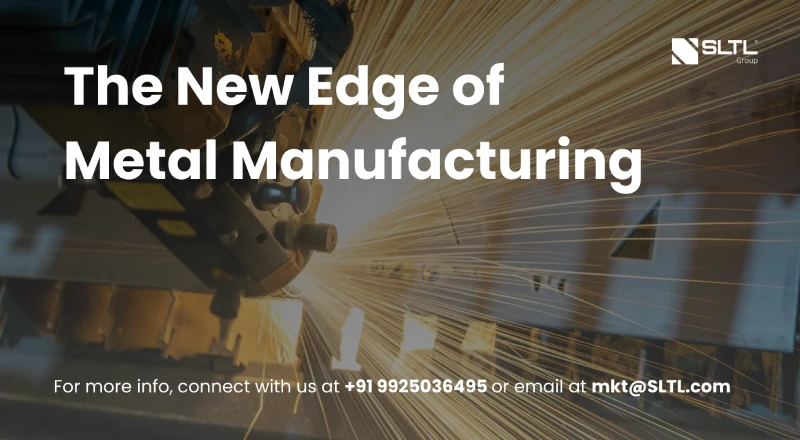
Still manufacturing 3-wheelers with traditional fabrication methods? Learn how fiber laser cutting, tube laser cutting, laser welding, and laser marking can reduce costs, increase output, and improve quality before your competitors gain the advantage.
The manufacturing of 3-wheeler rickshaws, including passenger auto rickshaws, cargo 3-wheelers, electric rickshaws, and utility vehicles, has evolved significantly with advanced laser automation technologies. Modern vehicle manufacturers require high-speed production, dimensional precision, lightweight structures, and strong weld integrity to meet market demands and regulatory standards.
Today, Fiber Laser Cutting Machines, Tube Laser Cutting Machines, Laser Welding Machines, and Laser Marking Machines are widely used in 3-wheeler manufacturing to improve productivity, reduce material wastage, ensure repeatability, and produce durable components.
From chassis fabrication and body panel cutting to tubular frame manufacturing, EV battery enclosures, structural welding, and permanent part marking, laser-based automation plays a critical role in every stage of production.
The growing adoption of laser technology is not limited to the automotive sector. As highlighted in Diverse Applications of Laser Cutting Machines in Various Industries, manufacturers across Automotive Parts, Aerospace, Construction, Electronic, Medical Devices, Jewelry, and Tool and Mold Manufacturing are increasingly investing in advanced laser solutions to improve productivity and maintain competitive advantages.
Why Laser Technology is Important in 3-Wheeler Manufacturing
Traditional fabrication methods often lead to:
- Inconsistent cuts
- Excessive burr formation
- High manual labor dependency
- Material wastage
- Poor dimensional accuracy
- Slower production cycles
Laser automation solves these issues by providing:
- High precision cutting
- Low kerf width
- Minimal heat affected zone
- Faster cutting speeds
- Reduced scrap generation
- Clean weld seams
- Permanent traceability marking
- High repeatability in batch production
Whether manufacturers choose a high power laser cutting machine for heavy-duty components or a lower power laser cutting machine for thin sheet processing, laser automation significantly improves manufacturing efficiency.
Raw Materials Used in Auto Rickshaw Manufacturing
Laser machines are used for processing:
- Mild Steel (MS) Sheets
- Stainless Steel (SS) Components
- Aluminum Panels
- Structural Tubes
- Hollow Pipes
- Sheet Metal Plates
- Reinforcement Sections
- Heavy-duty Brackets
Modern laser cutting machines process these materials with excellent edge quality while reducing secondary finishing requirements.
1. Chassis & Structural Frame Manufacturing
The chassis is the backbone of a 3-wheeler. It supports engine load, suspension systems, passenger cabin, and cargo compartments.
Components Manufactured:
- Main chassis frame
- Cross members
- Engine mount brackets
- Suspension mounting plates
- Reinforcement plates
- Battery tray frames
Process Used:
Fiber Laser Cutting + CNC Bending + Laser Welding
Laser cutting provides:
- Tight dimensional tolerance
- Smooth edges
- High structural accuracy
- Better assembly fit-up
A CNC Laser Cutting Machine helps manufacturers achieve consistent production quality even in large-volume manufacturing environments. Similar fabrication principles are also used in agricultural equipment production. Manufacturers can explore Tractor Manufacturing Using Fiber Laser Cutting Machine: Complete Guide to Modern Precision Production to understand how fiber laser cutting machine technology supports high-strength vehicle manufacturing.
2. Body Panel Fabrication
Outer body panels define vehicle aerodynamics, appearance, and durability.
Laser-Cut Body Components:
- Front nose panel
- Side body panels
- Roof panels
- Rear body panel
- Mudguards
- Front apron panel
- Floor plate
Advantages:
- Uniform panel geometry
- Burr-free edges
- Reduced secondary finishing
- Faster batch production
For manufacturers evaluating a new laser cutting machine, factors such as cutting speed, automation capability, laser source quality, and operating cost are critical. These considerations are discussed in detail in Top Features to Look for in Industrial Laser Cutting Machines.
Modern metal laser cutting systems help manufacturers produce high-quality body panels while maintaining tight tolerances.
Looking for a Complete Laser Solution?
SLTL offers advanced laser solutions for automotive manufacturing, including:
- Fiber Laser Cutting Machines
- CNC Laser Cutting Machines
- Tube Laser Cutting Machines
- Laser Welding Machines
- Handheld Laser Welding Machines
- Laser Engraving Machines
- Laser Marking Systems
For inquiries, you can contact at +91 99250 36495 or email at mkt@sltl.com. You can also visit official website at www.sltl.com to know about our products in details.
3. Tube Laser Cutting in Rickshaw Manufacturing
Tube laser cutting is essential for fabricating lightweight yet durable structural tubular assemblies.
Tube Components:
- Roof support tubes
- Seat tubular frames
- Roll cage structures
- Side guard pipes
- Steering support tubes
- Cargo rack pipes
- Cabin support frames
Benefits:
- Multi-angle cutting
- Hole piercing
- Notching
- Seamless fitment before welding
Tube laser cutting machines significantly reduce manual fabrication time. The same technology is transforming agricultural equipment manufacturing, as explained in Tube Laser Cutting for Agricultural Machinery and Light Structures.
By integrating tube laser cutting with CNC automation, manufacturers improve both productivity and structural consistency.
4. Cabin & Interior Component Manufacturing
Laser systems fabricate multiple cabin and passenger area parts.
Parts:
- Floor plates
- Dashboard brackets
- Seat base plates
- Grab handle mounts
- Pedal mounting plates
- Seat support brackets
- Partition frames
Laser cutting ensures:
- Precision hole placement
- Better ergonomics
- Consistent assembly
A laser cutter helps maintain production consistency while reducing rework and material waste.
5. Cargo 3-Wheeler Manufacturing
Cargo rickshaws need robust load-bearing structures.
Components:
- Cargo box side walls
- Tailgate panels
- Cargo floor plates
- Reinforcement ribs
- Load support brackets
- Side locking plates
Manufacturing Technology:
Laser Cutting + Tube Laser Cutting + Welding
This improves:
- Heavy-duty strength
- Faster fabrication
- Uniform structural rigidity
Modern fiber laser cutting machines help manufacturers meet increasing market demand for cargo transportation vehicles while maintaining cost efficiency.
6. EV Rickshaw Manufacturing Components
Electric 3-wheelers require dedicated battery and electrical assemblies.
EV Parts:
- Battery tray enclosures
- Battery support frames
- Controller brackets
- Charging port plates
- Motor mount plates
- Electrical panel covers
- Wire routing brackets
Laser cutting enables:
- Compact assembly
- Thermal-safe enclosures
- Accurate battery fitment
As EV adoption continues to grow, manufacturers increasingly rely on the best laser cutting machine for sheet metal fabrication to produce lightweight and durable battery housing components.
7. Laser Marking Applications in 3-Wheeler Manufacturing
Laser marking provides permanent identification and traceability.
Marked Components:
- Chassis numbers
- VIN numbers
- Part IDs
- QR codes
- Barcodes
- Logo branding
- Batch tracking labels
Advantages:
- Non-contact marking
- Corrosion-resistant marking
- High readability
- Permanent durability
Many manufacturers also utilize a laser engraving machine for branding, product identification, and compliance requirements. Permanent marking improves quality control and enables complete traceability throughout the manufacturing lifecycle.
8. Laser Welding in Rickshaw Manufacturing
Laser welding offers precise, strong, and clean joints.
Welding Applications:
- Chassis joints
- Tubular frame assemblies
- Roof supports
- Bracket welding
- Seat support welding
- Cargo frame welding
- Battery enclosure joining
Key Benefits:
- Low distortion
- Deep penetration
- Faster weld cycles
- Minimal rework
- Clean seams
A laser welding machine helps manufacturers improve weld quality while reducing post-weld finishing operations.
For repair applications, prototype development, and flexible production environments, a handheld laser welding machine provides additional versatility and operational efficiency.
9. CNC Bending & Forming
After cutting, metal parts undergo CNC bending.
Common Formed Parts:
- Side panels
- Roof sections
- Protective covers
- Door sections
- Reinforcement brackets
- Battery enclosures
CNC bending improves:
- Consistent angles
- High repeatability
- Precise folding
When integrated with a CNC laser cutting machine, bending operations become faster and more accurate.
10. Final Assembly & Quality Inspection
After fabrication:
- Dimensional checks
- Weld quality inspection
- Surface finish inspection
- Marking verification
- Structural strength testing
- Assembly fitment
This ensures:
- Vehicle safety
- Production consistency
- Long-term durability
Automated inspection processes further improve product quality while reducing manufacturing errors.
Laser Technology Applications Beyond 3-Wheeler Manufacturing
The same laser solution used in auto-rickshaw production is widely adopted across multiple industries.
- Automotive Parts: Laser cutting machines are used for chassis components, brackets, suspension parts, EV assemblies, and structural reinforcements.
- Aerospace: High precision metal laser cutting supports lightweight structures, brackets, and aerospace-grade components requiring tight tolerances.
- Electronic Industry: Laser systems manufacture electrical enclosures, control panels, mounting plates, and battery housing components.
- Medical Devices: Medical manufacturers use laser cutting and laser marking for precision stainless steel and specialty metal components.
- Tool and Mold Manufacturing: Laser cutting machines improve the production of tooling components, dies, fixtures, inserts, and molds.
- Construction Industry: Laser automation supports fabrication of structural steel components, brackets, support plates, and infrastructure elements.
- Jewelry Industry: Laser engraving machines are widely used for branding, customization, and decorative marking applications.
Major Benefits of Laser Automation in 3-Wheeler Manufacturing
- High Precision: Accurate cutting and tight tolerance.
- Low Material Wastage: Reduced scrap and better nesting.
- Faster Production: High-speed automation.
- Stronger Assemblies: Reliable laser welded joints.
- Permanent Traceability: Laser marking improves part tracking.
- Lightweight Manufacturing: Efficient tube and sheet fabrication.
- Lower Operating Costs: Reduced labor and secondary finishing.
Conclusion
The manufacturing of 3-wheeler rickshaws using Fiber Laser Cutting Machines, Tube Laser Cutting Machines, Laser Marking Systems, Laser Welding Machines, and CNC bending solutions has transformed the automotive fabrication sector. These technologies help manufacturers produce high-strength chassis, precise body panels, durable tubular frames, EV battery enclosures, and permanent marked components with exceptional speed and accuracy.
By integrating laser automation, 3-wheeler manufacturers can achieve higher productivity, better quality control, reduced wastage, stronger weld integrity, and cost-efficient large-scale production, making laser technology a critical part of modern auto-rickshaw manufacturing.
As demand for electric vehicles, cargo carriers, and passenger transportation continues to increase, investing in the right laser solution becomes essential for maintaining competitiveness and scaling production efficiently. Whether you need a laser cutting machine, fiber laser cutting machine, CNC laser cutting machine, laser cutter, laser welding machine, handheld laser welding machine, or laser engraving machine, modern laser technologies can help future-proof your manufacturing operations.
Contact SLTL for Advanced Automotive Manufacturing Solutions
Phone: +91 99250 36495
Email: mkt@sltl.com
Website: www.sltl.com
FAQs
1. I manufacture auto rickshaws. Which laser machine should I invest in first?
If you primarily manufacture chassis, body panels, and sheet metal parts, you should start with a Fiber Laser Cutting Machine. If your production also includes tubular frames and support structures, you can add a Tube Laser Cutting Machine for greater efficiency.
2. I want to reduce production time in my 3-wheeler factory. Can laser automation help?
Yes. You can significantly reduce production time by using laser cutting, laser welding, and automated material handling systems. These technologies help you process parts faster while maintaining consistent quality.
3. I am planning to manufacture electric rickshaws. Which laser solutions do I need?
You should consider a Fiber Laser Cutting Machine for battery enclosures and sheet metal parts, a Tube Laser Cutting Machine for frame structures, a Laser Welding Machine for assembly, and a Laser Marking Machine for traceability.
4. I currently use plasma cutting. Why should I switch to a fiber laser cutting machine?
You can achieve better cut quality, higher accuracy, faster processing speeds, lower material waste, and reduced secondary finishing with a fiber laser cutting machine compared to traditional plasma cutting.
5. I need strong and clean welds for chassis manufacturing. Is a laser welding machine suitable?
Yes. You can produce stronger, cleaner, and more consistent welds with a laser welding machine. It also reduces distortion and minimizes rework during production.
6. I manufacture tubular frames and roof supports. Do I need a tube laser cutting machine?
Yes. You can improve fit-up accuracy, reduce manual fabrication work, and speed up production by using a Tube Laser Cutting Machine for tubular components.
7. I need permanent VIN numbers and chassis markings. Which machine should I choose?
You should use a Laser Marking Machine. It creates permanent, high-contrast markings that remain readable throughout the vehicle’s lifecycle.
8. I am looking for a complete manufacturing setup for 3-wheelers. Can one supplier provide all the laser solutions?
Yes. You can work with a laser technology provider that offers Fiber Laser Cutting Machines, Tube Laser Cutting Machines, Laser Welding Machines, Laser Marking Systems, and automation solutions under one roof.
9. I want to improve ROI and reduce manufacturing costs. Will laser technology help?
Yes. You can lower scrap generation, reduce labor dependency, minimize rework, improve material utilization, and increase production output, which helps improve your overall return on investment.
10. I am ready to upgrade my 3-wheeler manufacturing facility. How can I choose the right laser machine?
You should evaluate your production volume, material thickness, component types, automation requirements, and future growth plans. A consultation with an experienced laser solution provider can help you select the most suitable system for your factory.
Author Bio

Mayank Patel
R&D HeadMayank Patel is the Head of Research & Development at SLTL Group, bringing over 20+ years of hands-on experience in the field of laser technology. A forward-thinking innovator, he has played a pivotal role in developing advanced laser cutting, welding, and marking solutions tailored for diverse industries. Under his leadership, SLTL’s R&D division continues to push the boundaries of what laser systems can achieve in modern manufacturing.