PEB manufacturers using traditional cutting methods are already losing time, accuracy, and material. See how laser cutting improves purlins, girts, and bracings with faster production, lower waste, and better structural performance.
In modern PEB manufacturing, while primary components like columns and rafters form the backbone of the structure, secondary members play an equally important role in ensuring stability, load distribution, and functional performance. Components such as purlins, girts, and bracings are produced in large volumes and must maintain consistent dimensions and alignment to support roofing and wall systems effectively.
The fabrication of these members has evolved significantly with the adoption of laser technology. Compared to traditional punching, shearing, or plasma cutting, laser cutting offers unmatched precision, flexibility, and efficiency-making it the preferred method for processing secondary components in today’s PEB industry.
For manufacturers looking to understand the fundamentals of PEB structures, this guide on What is a Pre-Engineered Building (PEB)? A Complete Guide helps explain how every structural element works together within the complete building system.
Understanding Secondary Members in PEB Systems
Secondary members are designed to support cladding systems and distribute loads to primary structural elements.
Key Components:
- Purlins: Horizontal members placed along the roof slope to support roofing sheets
- Girts: Horizontal members fixed to columns to support wall panels
- Bracings: Diagonal members that provide lateral stability against wind and seismic forces
These components are typically made from cold-formed steel sections such as Z and C profiles, which require precise cutting and hole placement for effective installation.
The selection of proper steel grades and section profiles also plays a major role in durability and load-bearing performance. Manufacturers often refer to Understanding Structural Steel Requirements in PEB Systems while planning material specifications for secondary members.
Laser Cutting Process for Secondary Members
Laser cutting of secondary members involves processing thin to medium thickness steel sheets or coils into required profiles.
Step-by-Step Process:
1. Material Preparation: Cold-formed steel sheets or coils are selected based on design requirements and fed into the cutting system.
2. CNC Programming: Design files are converted into machine instructions, defining cutting paths, hole positions, and part geometry.
3. Laser Cutting Execution: The laser beam cuts the material with high precision, performing:
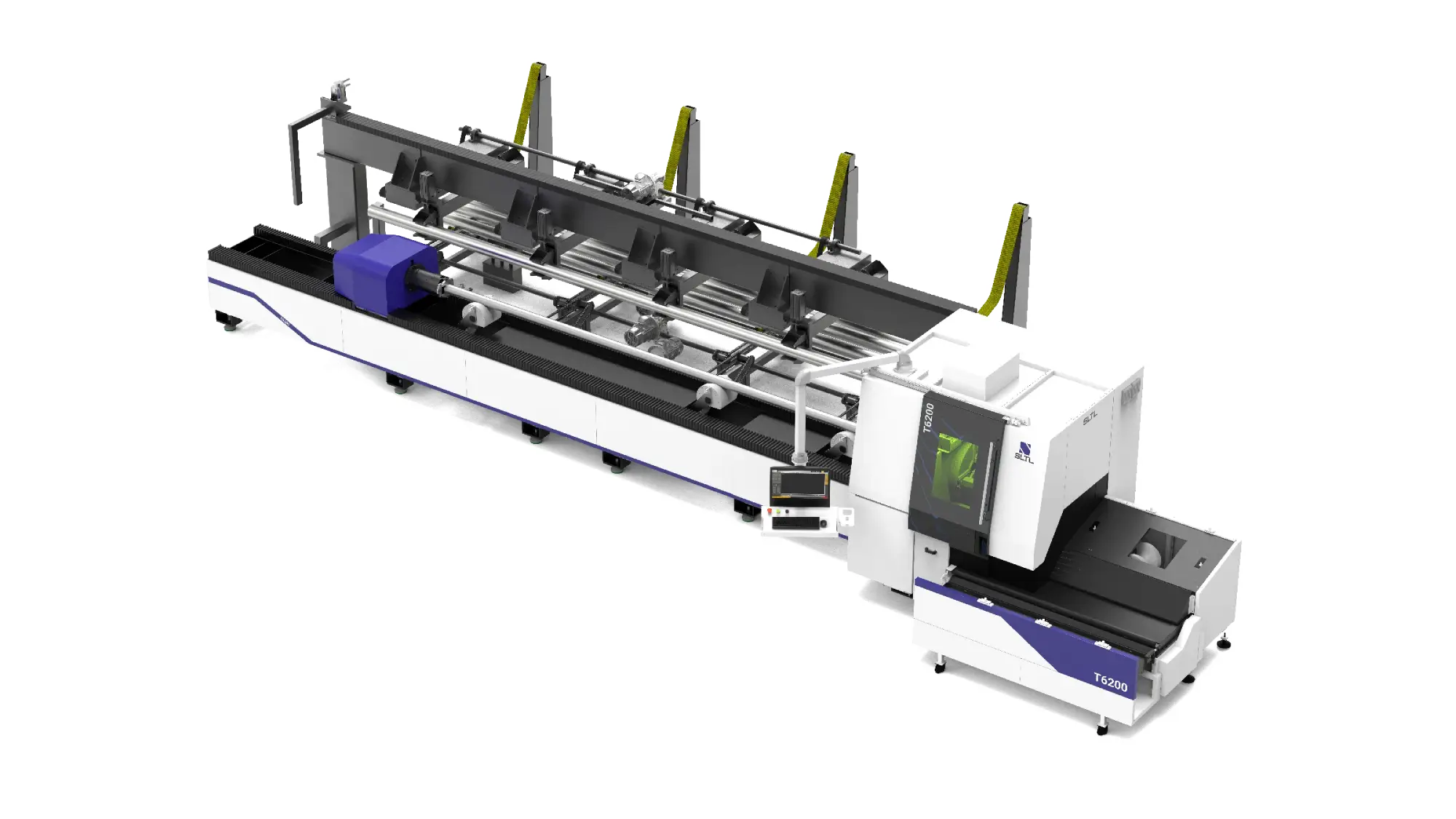
- Profile cutting
- Hole creation
- Slotting and notching
4. Batch Processing: Multiple components are cut simultaneously using nested layouts to improve efficiency.
5. Output Handling: Cut components are sorted and prepared for forming or direct use.
This streamlined process ensures high productivity and consistent quality in PEB manufacturing.
Modern laser cutting machine systems used in PEB fabrication are capable of processing different thicknesses and profile geometries with high speed and accuracy. Depending on production volume and material thickness, manufacturers can choose between high power laser cutting machine setups for heavy-duty applications or lower power laser cutting machine models for lighter and medium production requirements.
Technical Advantages of Laser Cutting for Secondary Members
1. High Dimensional Accuracy: Laser cutting can achieve tolerances as tight as ±0.05-0.1 mm, ensuring perfect alignment during installation.
2. Clean Edge Quality: The process produces smooth, burr-free edges, eliminating the need for secondary finishing operations.
3. Minimal Heat-Affected Zone (HAZ): A smaller HAZ preserves the mechanical properties of the material and prevents distortion.
4. Flexibility in Design: Laser cutting allows easy modification of designs without changing tooling, making it ideal for customized PEB projects.
The growing demand for faster production cycles has also increased the adoption of fiber laser systems in structural fabrication. Manufacturers looking to improve efficiency often explore Building Smarter, Faster, Stronger: The Power of Fiber Laser in PEB Manufacturing to understand how fiber laser technology supports scalable PEB production.
Processing of Purlins and Girts
Purlins and girts require precise hole patterns and consistent lengths for proper installation.
Laser Cutting Benefits:
- Accurate hole spacing for bolted connections
- Clean notches for overlapping joints
- Uniform profile cutting for Z and C sections
In PEB manufacturing, this precision ensures that cladding systems are installed smoothly without alignment issues.
The same precision-driven cutting principles are widely used in industries such as Automotive parts, Tool and Mold Manufacturing and Construction where consistency and dimensional accuracy directly impact final product quality.
Laser Processing of Bracing Components
Bracing systems are essential for structural stability and must be fabricated with high accuracy.
Laser Cutting Capabilities:
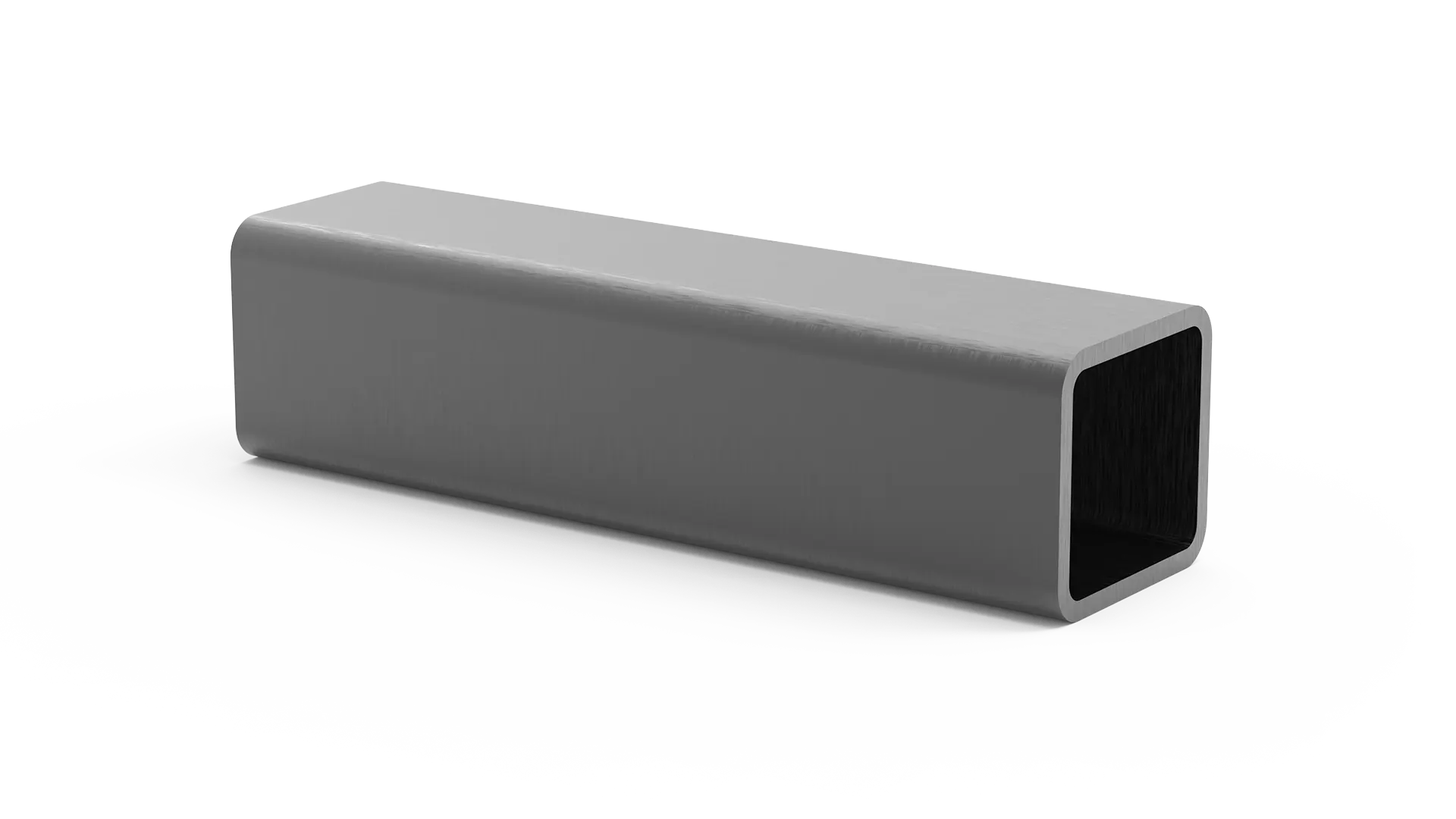
- Cutting of angle sections and plates
- Creation of slotted holes for adjustable connections
- Preparation of gusset plates for bracing joints
Precision in bracing components ensures proper load transfer and prevents structural deformation under external forces.
Manufacturers involved in sectors like Aerospace, Electronic also rely heavily on accurate profile processing because even small dimensional variations can impact assembly quality.
Material Optimization and Nesting Efficiency
Secondary members are produced in large quantities, making material optimization critical.
Laser cutting systems use advanced nesting software to:
- Arrange parts efficiently on sheets
- Minimize scrap generation
- Reduce raw material costs
Techniques like common-line cutting and part-in-part nesting further improve material utilization, making laser cutting highly cost-effective in PEB manufacturing.
Many manufacturers also combine laser cutting machine systems with laser engraving machine technology for part identification and production traceability. This helps improve inventory management and reduces confusion during assembly.
Impact on Installation and Assembly
The accuracy of secondary members directly affects on-site assembly. With Laser-Cut Components:
- Faster installation
- Reduced manual adjustments
- Improved alignment of cladding systems
- Lower labor costs
In PEB manufacturing, this translates into shorter project timelines and improved overall efficiency.
In large-scale fabrication facilities, companies are also integrating laser welding machine systems for joining structural assemblies with better strength and cleaner weld quality. For field-level repairs and flexible fabrication tasks, handheld laser welding machine solutions are increasingly becoming popular due to their portability and ease of use.
Integration with Smart Manufacturing Systems
Laser cutting of secondary members is often integrated with automated systems:
- CNC-controlled production lines
- Automated loading and unloading systems
- Real-time production monitoring
Additionally, technologies like Laser marking for part identification and ERP integration for tracking enhance traceability and streamline operations.
The integration of cutting, welding, and marking technologies into a single production ecosystem has become a major trend in modern fabrication. Businesses aiming to improve productivity and reduce operational waste often explore How Combining Laser Cutting, Welding and Marking Machine Reduces Operational Costs to understand the long-term financial benefits of integrated manufacturing systems.
Challenges in Laser Cutting of Secondary Members
Despite its advantages, certain challenges exist:
- Initial investment cost
- Requirement for skilled operators
- Handling of reflective materials (like aluminum)
- Optimization for high-speed production
However, advancements in machine technology and automation are continuously addressing these challenges.
Modern fabrication industries such as Medical devices, Precision healthcare manufacturing sector and Jewelry, Luxury precision manufacturing sector are also adopting advanced laser processing technologies because of their ability to deliver consistent quality with minimal material damage.
Why Precision Cutting Directly Impacts Structural Performance
In large PEB projects, the quality of secondary members directly influences the overall structural integrity of the building. Incorrect hole alignment, uneven profiles, or inconsistent dimensions can create assembly gaps and stress concentration points.
This is why manufacturers increasingly prioritize precision-driven fabrication technologies. Businesses evaluating advanced fabrication methods can also refer to Why Precision Cutting Matters in PEB Structural Integrity? to better understand the relationship between cutting accuracy and long-term building performance.
Future Trends in Secondary Member Fabrication
The future of laser cutting in PEB manufacturing is focused on:
- High-speed fiber lasers for thin materials
- Fully automated roll-forming and cutting lines
- AI-driven nesting and process optimization
- Sustainable manufacturing with minimal waste
These innovations will further enhance efficiency and scalability.
Conclusion
Laser cutting has transformed the fabrication of secondary members such as purlins, girts, and bracings in modern PEB manufacturing. By delivering high precision, consistent quality, and efficient material utilization, it ensures that these components perform their role effectively within the structural system.
As the demand for faster, smarter, and more reliable construction grows, laser cutting will continue to play a vital role in shaping the future of PEB fabrication-enabling manufacturers to achieve higher productivity, better quality, and long-term structural performance.
SLTL Group provides advanced laser solution systems designed for modern metal fabrication industries. From laser cutting machine systems to laser welding machine, handheld laser welding machine, and laser engraving machine technologies, SLTL supports manufacturers with high-performance solutions for accurate and efficient production.
To learn more about advanced fiber laser cutting solutions for PEB manufacturing and structural steel processing, visit SLTL Group or contact the team at +91 9925036495 or mkt@sltl.com.
FAQs
1. How do I know if a laser cutting machine is suitable for my PEB fabrication business?
You should evaluate your production volume, material thickness, required cutting accuracy, and automation needs. A laser cutting machine is ideal if you want faster production, better repeatability, and reduced manual errors in purlins, girts, and bracing components.
2. Should I invest in a high power laser cutting machine or a lower power laser cutting machine for secondary members?
You should choose a high power laser cutting machine if you process thicker materials and require high-speed production. A lower power laser cutting machine is suitable for thin to medium thickness components and moderate production requirements.
3. Can I use one laser solution for cutting, marking, and welding in my fabrication setup?
Yes, you can integrate laser cutting, laser marking, and laser welding systems within a single production workflow. This helps you improve productivity, reduce handling time, and streamline fabrication operations.
4. How much material waste can I reduce with laser cutting in PEB manufacturing?
You can significantly reduce scrap generation through advanced nesting software, common-line cutting, and optimized sheet utilization. This helps you lower raw material costs in bulk production.
5. Will laser-cut purlins and girts improve my installation speed at project sites?
Yes, you can achieve faster installation because laser-cut components offer accurate hole placement, consistent dimensions, and clean edges. This reduces manual adjustments during assembly.
6. Can a laser cutting machine process Z and C profiles accurately?
Yes, you can process Z and C profiles with high dimensional accuracy using advanced CNC laser cutting systems. This ensures proper fitment during structural assembly.
7. How does laser cutting improve the structural quality of PEB secondary members?
You can achieve better structural consistency because laser cutting delivers accurate profiles, precise hole patterns, and minimal distortion. This improves alignment and load distribution within the structure.
8. Is laser cutting better than plasma cutting for secondary member fabrication?
You can achieve cleaner edges, tighter tolerances, lower heat impact, and better repeatability with laser cutting compared to traditional plasma cutting methods.
9. Can I automate the production of secondary members using laser technology?
Yes, you can integrate automated loading systems, CNC controls, ERP tracking, and smart monitoring systems with modern laser cutting machines for continuous production.
10. How can laser marking help in PEB fabrication projects?
You can use laser engraving machine systems for part identification, batch tracking, and assembly guidance. This improves traceability and reduces confusion during installation.
11. Should I combine laser welding machines with laser cutting machines in my fabrication plant?
Yes, you can improve fabrication efficiency by combining laser welding machine systems with laser cutting technology. This helps you reduce production time and improve weld quality.
12. Can a handheld laser welding machine support on-site fabrication work?
Yes, you can use a handheld laser welding machine for flexible repair work, quick structural modifications, and portable welding applications at project sites.
13. How much accuracy can I expect from a modern laser cutting machine?
You can achieve cutting tolerances as precise as ±0.05-0.1 mm, depending on the machine configuration, material type, and production setup.
14. Is laser cutting suitable for customized PEB projects?
Yes, you can easily modify designs and process custom dimensions without changing physical tooling. This makes laser cutting highly flexible for project-based fabrication.
15. How can SLTL support my PEB manufacturing business?
You can get advanced laser solution systems from SLTL for cutting, welding, and marking applications. SLTL provides fiber laser cutting machines, laser welding machines, handheld laser welding machines, automation support, and technical guidance for modern PEB fabrication industries.
Author Bio

Mayank Patel
R&D HeadMayank Patel is the Head of Research & Development at SLTL Group, bringing over 20+ years of hands-on experience in the field of laser technology. A forward-thinking innovator, he has played a pivotal role in developing advanced laser cutting, welding, and marking solutions tailored for diverse industries. Under his leadership, SLTL’s R&D division continues to push the boundaries of what laser systems can achieve in modern manufacturing.