Small errors in steel cutting, welding, or marking can delay your entire PEB project. See how laser solutions remove rework, improve accuracy, and speed up production. If you are still using traditional methods, you might already be losing time and profit.
In modern PEB manufacturing, structural steel is not just a material-it is the foundation that defines the strength, stability, and performance of the entire building. Pre-Engineered Buildings (PEBs) rely on precisely designed steel components that are fabricated in controlled environments and assembled on-site. This approach demands a deep understanding of structural steel requirements, as even minor deviations can impact load distribution, alignment, and long-term durability.
Today, industries like Construction, Automotive parts, Aerospace, and Electronic manufacturing are increasingly adopting PEB structures due to their speed and scalability. This shift also demands more advanced fabrication technologies such as a Laser cutting machine to ensure high precision and repeatability across applications.
Unlike conventional construction, where materials are adjusted on-site, PEB systems depend on pre-engineered accuracy. Every steel component-from columns and rafters to purlins and connection plates-must meet strict design, material, and fabrication standards.
To understand how modern fabrication is evolving, you can also explore how smart technologies are shaping this space in “Building Smarter, Faster, Stronger: The Power of Fiber Laser in PEB Manufacturing”, where advanced processing methods are improving efficiency at every stage.
Role of Structural Steel in PEB Manufacturing
Structural steel plays a central role in PEB manufacturing due to its high strength-to-weight ratio, flexibility, and durability. It enables the creation of large clear-span structures without internal columns, making it ideal for industrial buildings, warehouses, and logistics facilities.
This is equally important for sectors like Tool and Mold Manufacturing, Medical devices, and Jewelery, where precision components and structural reliability are critical.
In PEB systems, steel is used in two primary categories:
- Primary structural members: Columns and rafters that carry major loads
- Secondary members: Purlins, girts, and bracings that support cladding and distribute loads
The performance of these components depends on selecting the right steel grade, thickness, and fabrication method.
Key Structural Steel Requirements in PEB Systems
1. Strength and Load-Bearing Capacity
One of the most critical requirements in PEB manufacturing is the ability of steel to withstand various loads, including:
- Dead loads (self-weight of structure)
- Live loads (maintenance, equipment)
- Wind loads
- Seismic forces
Structural steel grades such as IS 2062 or ASTM A36 are commonly used because they provide high tensile strength and reliability. Proper load calculations ensure that each member performs efficiently without overdesigning, which helps reduce material costs. While strength is essential, manufacturers today are also focusing on cost efficiency. If you’re still relying on traditional processes, you may want to explore “Are Traditional Cutting Methods Quietly Eating Your Profits?”, which explains how modern laser solutions reduce material waste and improve ROI.
2. Dimensional Accuracy and Tolerances
Precision is essential in PEB systems because all components are fabricated in advance. Typical tolerances in PEB manufacturing include:
- ±0.1 to ±0.3 mm for profile cutting
- ±0.5 mm for hole positioning
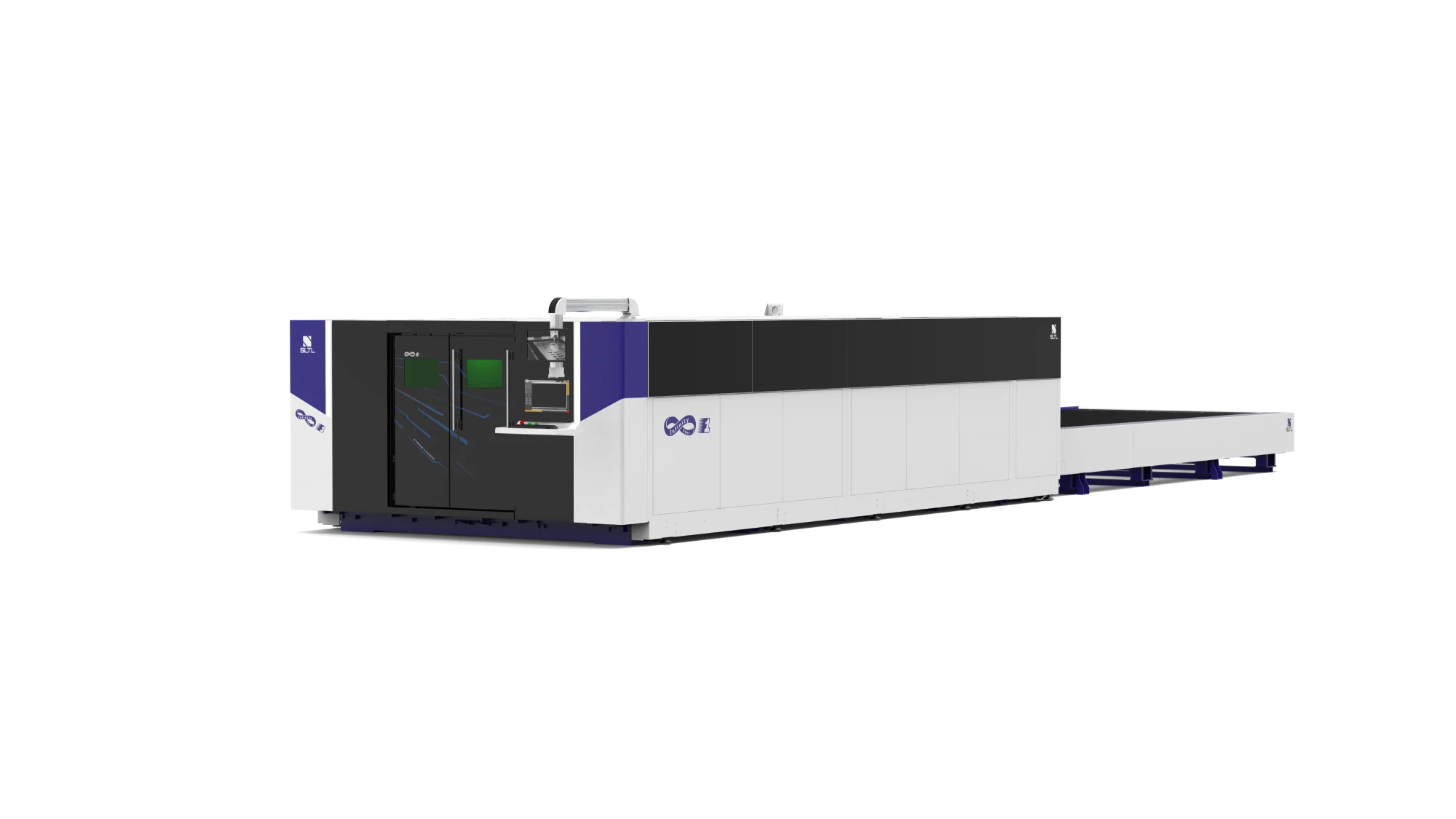
This is where advanced systems like the Infinity F1 (For heavy duty manufacturing) come into play, delivering consistent accuracy even for thick plates and high-volume production.
Maintaining these tolerances ensures perfect alignment during assembly. Technologies like fiber laser cutting help achieve such accuracy consistently, reducing the need for on-site adjustments.
3. Material Quality and Consistency
Consistency in material properties is a key requirement for reliable PEB structures. Steel used in fabrication must meet specific standards for:
- Chemical composition
- Mechanical strength
- Surface quality
Factory-controlled production ensures that each component maintains uniform quality, which is critical for structural performance and safety.
4. Weldability and Fabrication Compatibility
Structural steel in PEB systems must be suitable for fabrication processes such as cutting, welding, and forming. Good weldability ensures:
- Strong and defect-free joints
- Reduced risk of cracks or failures
- Better load transfer across connections
In modern PEB manufacturing, advanced techniques like laser welding are being adopted to improve weld quality, reduce distortion, and increase productivity.
5. Corrosion Resistance and Durability
Since PEB structures are often used in industrial and outdoor environments, steel must be protected against corrosion. This is achieved through:
- Galvanization
- Primer coating and painting
- Use of coated sheets (PPGI/PPGL)
Proper surface treatment enhances the lifespan of the structure and reduces maintenance requirements.
6. Flexibility and Design Adaptability
Structural steel allows for flexible design, enabling customization of PEB structures based on project requirements. This includes:
- Large clear spans
- Variable heights and layouts
- Easy future expansion
This flexibility is one of the key reasons why PEB manufacturing is preferred for modern construction projects. Advanced fabrication technologies make it easier to achieve complex designs, especially when using high-performance Laser cutting machines that can handle intricate geometries.
Structural Components and Their Steel Requirements
Primary Members (Columns & Rafters)
These are the main load-bearing elements of the structure. They are typically fabricated from built-up steel sections using plates of varying thickness.
Requirements:
- High strength and stiffness
- Precise fabrication for alignment
- Strong weld joints
Secondary Members (Purlins & Girts)
Secondary members support roof and wall systems and distribute loads to primary structures.
Requirements:
- Lightweight yet strong material
- Consistent dimensions for uniform spacing
- Corrosion-resistant coating
Connection Components (Base Plates, Gussets, End Plates)
Connections play a crucial role in transferring loads between structural members.

Requirements:
- Accurate hole positioning
- Smooth edge quality
- High-strength steel for load transfer
Precision cutting technologies are critical here to ensure proper fit-up and bolt alignment.
Importance of Precision in Structural Steel Processing
In PEB manufacturing, precision is directly linked to structural performance. Inaccurate cutting or fabrication can lead to:
- Misalignment during assembly
- Uneven load distribution
- Increased stress at joints
- Reduced structural lifespan
Technologies like fiber laser cutting help maintain tight tolerances, minimize heat-affected zones, and ensure consistent quality across components.
Integration of Advanced Technologies in Steel Processing
Modern PEB fabrication is increasingly adopting advanced technologies to improve efficiency and quality.
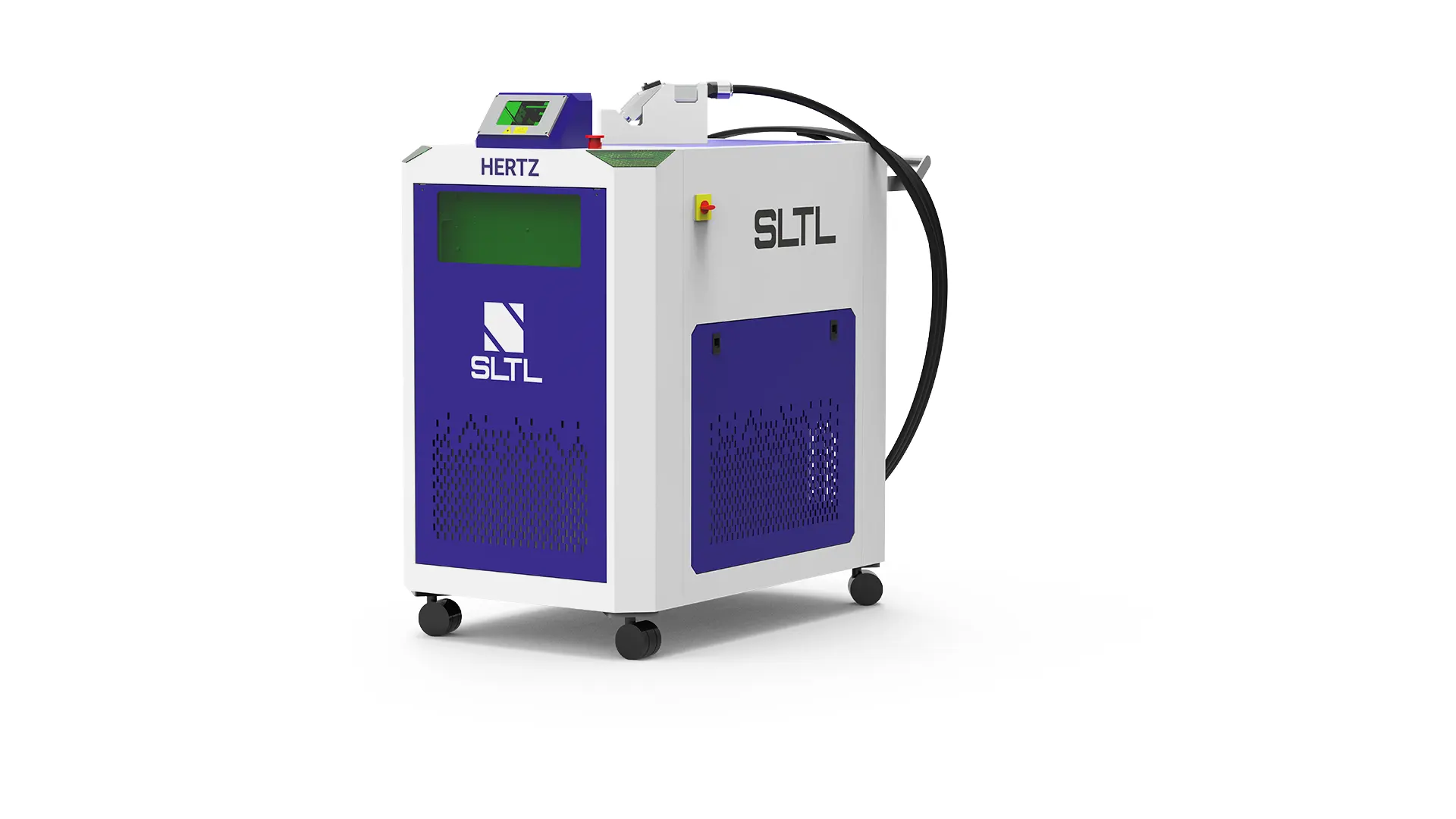
- Fiber Laser Cutting: Ensures high precision and minimal distortion
- Laser Welding: Provides strong, uniform joints with reduced heat input
- Laser Marking: Enables part identification and traceability
These technologies enhance overall PEB manufacturing by improving accuracy, reducing errors, and enabling automation.
Challenges in Meeting Structural Steel Requirements
Despite advancements, certain challenges remain in PEB manufacturing:
- Maintaining consistency across large production volumes
- Managing material costs
- Ensuring skilled labor for fabrication processes
- Controlling distortion in thick sections
Addressing these challenges requires a combination of advanced technology, proper planning, and quality control systems.
Future Outlook
The future of structural steel in PEB systems is focused on:
- High-strength, lightweight steel materials
- AI-driven design optimization
- Fully automated fabrication processes
- Sustainable and recyclable materials
These advancements will further enhance the efficiency and performance of PEB manufacturing.
Conclusion
Understanding structural steel requirements is essential for successful PEB manufacturing. From material selection and load-bearing capacity to precision fabrication and corrosion resistance, every factor plays a critical role in ensuring structural integrity and long-term performance.
As technology continues to evolve, the integration of advanced processes like fiber laser cutting, laser welding, and automated fabrication systems will further improve the quality, efficiency, and scalability of PEB systems-making them the future of modern construction.
FAQs
1. How can I improve cutting accuracy in my PEB components during production?
You can improve the accuracy by using fiber laser cutting instead of traditional methods. It give tight tolerances, clean edges, and consistent results. This will also help your components to fit perfectly during assembly and reduces rework on the shop floor.
2. Why am I facing alignment issues during PEB assembly on-site?
This usually happens when the components are not cut precisely. By using laser cutting, exact dimensions and accurate hole positions would be ensured. This reduces misalignment issues and makes on-site assembly faster and smoother.
3. How can I reduce rework in my steel fabrication process?
You can reduce rework by switching to laser cutting and welding processes. These technologies give you consistent output with minimal errors. This helps you avoid manual corrections and improves overall production efficiency.
4. What is the best way to ensure accurate hole positioning in connection plates?
You should use fiber laser cutting for hole making. It offers high precision and repeatability, ensuring that bolts fit perfectly during assembly. This improves joint strength and reduces time wasted in adjustments.
5. How can I improve weld quality in my PEB structures?
You can use laser welding to get stronger and cleaner joints. It produces less heat, reduces distortion, and improves joint strength. This helps your structure perform better and reduces chances of defects.
6. Why do I see distortion in my steel components after welding?
Distortion often happens due to excessive heat in traditional welding. By using laser welding, you can control heat input better. This reduces warping and keeps your components dimensionally stable.
7. How can I speed up my steel cutting process without losing quality?
You can use fiber laser cutting to increase cutting speed while maintaining accuracy. It allows continuous cutting with minimal pauses, helping you produce more parts in less time without compromising quality.
8. How do I ensure proper part identification during production?
You can use laser marking to label each component with IDs or codes. This helps in easy tracking, reduces confusion during assembly, and improves production management and traceability.
9. Why is edge quality important in my PEB components?
Good edge quality ensures better fitting and stronger welds. Laser cutting provides smooth and burr-free edges, which reduces the need for secondary finishing and improves overall fabrication quality.
10. How can I reduce material waste during cutting?
You can optimize material usage with laser cutting and smart nesting software. It helps you place parts efficiently on the sheet, reducing scrap and improving your overall cost efficiency.
11. How can I maintain consistency in large-scale PEB production?
You can achieve consistency by using automated laser cutting and welding systems. These machines repeat the same process with high accuracy, ensuring uniform quality across all components.
12. How can I reduce production time in my PEB manufacturing unit?
You can reduce production time by using high-speed laser cutting and welding technologies. They minimize manual work, reduce errors, and allow faster processing of components.
13. What is the best way to handle complex shapes in PEB components?
Laser cutting is ideal for complex shapes and designs. It can easily cut intricate profiles with high precision, which is difficult with traditional methods. This gives you more design flexibility.
14. How can I improve joint strength in my structure?
You can improve joint strength by using precise laser-cut components and high-quality laser welding. Accurate fit-up and strong welds ensure better load transfer and structural performance.
15. How can I track and manage components efficiently in my factory?
You can use laser marking to assign unique IDs to each part. This helps you track components throughout production and assembly, improving workflow management and reducing errors.
Author Bio

Mayank Patel
R&D HeadMayank Patel is the Head of Research & Development at SLTL Group, bringing over 20+ years of hands-on experience in the field of laser technology. A forward-thinking innovator, he has played a pivotal role in developing advanced laser cutting, welding, and marking solutions tailored for diverse industries. Under his leadership, SLTL’s R&D division continues to push the boundaries of what laser systems can achieve in modern manufacturing.