Still using outdated cutting methods? You are already falling behind. Upgrade to a 4 chuck tube laser cutting machine and stay ahead in EV manufacturing before your competitors take the lead.
The Electrifying Pace of EV Production and Manufacturing Challenges
The global automotive industry is in the midst of a profound transformation, driven by the rapid adoption of Electric Vehicles (EVs). This electrifying pace demands not only innovation in battery technology and powertrain design but also a revolution in manufacturing processes. As EV production scales, manufacturers face immense pressure to achieve higher precision, greater efficiency, and cost-effectiveness in every component.
Manufacturing EV components presents unique challenges, including the need to work with diverse advanced materials, adhere to stringent lightweighting requirements, and produce complex geometries with unwavering accuracy. Traditional fabrication methods often fall short, struggling to meet the speed and precision necessary for mass production. This environment calls for advanced solutions that can overcome these hurdles, driving the industry forward.
If you want to understand how smart manufacturing is evolving, you can explore how SLTL Bolt: The Advanced Tube Nesting Software Revolutionizing Tube Cutting helps optimize material usage and improve efficiency.
Understanding the 4 Chuck Tube Laser Cutting Machine
Tube laser cutting technology has long been a cornerstone of modern fabrication, offering unparalleled precision and versatility for processing tubular materials. This method utilizes a focused laser beam to cut intricate shapes, holes, and contours into various metal tubes. Its advantages include high speed, minimal material distortion, and the ability to produce complex parts in a single operation, eliminating secondary processing.
However, conventional 2-chuck tube laser systems, while effective, encounter limitations when dealing with extremely long, heavy, or thin-walled tubes. Maintaining optimal stability and preventing vibration across the entire length of the workpiece can be challenging. This can lead to reduced accuracy, slower processing speeds, and even material waste, particularly for demanding applications like those found in EV manufacturing.
To understand the basics better, you can read What is a 4-Chuck Tube Laser Cutting Machine & Why It Matters in Modern Fabrication.
The Innovation of the 4 Chuck System
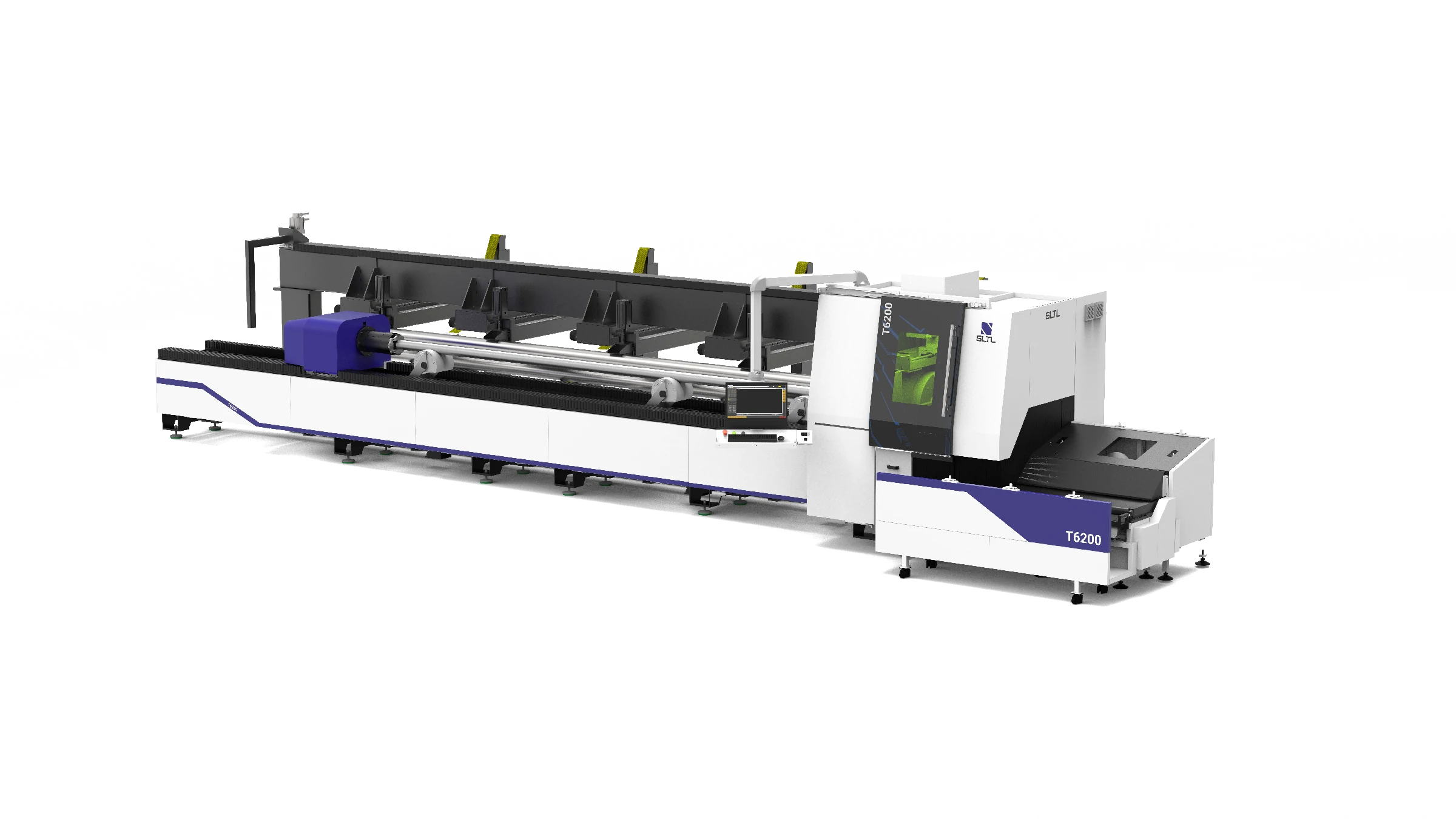
The 4 chuck tube laser cutting machine represents a significant leap forward in this technology. Unlike its 2-chuck predecessors, this advanced system features four independent chucks that securely grip the tube at multiple points along its length. These chucks work in coordinated motion, ensuring superior stability and rigidity throughout the cutting process.
This multi-chucking capability effectively eliminates vibration and deflection, even when processing exceptionally long or heavy tubes. It significantly enhances accuracy and repeatability, crucial for the tight tolerances required in EV components. Furthermore, the 4-chuck system optimizes material utilization by allowing for minimal scrap ends and efficient nesting of parts, directly impacting production costs.
Beyond traditional round and square tubes, the versatility of the 4-chuck system extends to a wide array of profiles, including rectangular, oval, and various open sections. This adaptability makes it an invaluable asset for automotive manufacturers who frequently work with custom and complex tube geometries.
This system also supports multiple shapes like round, square, rectangular, and custom profiles. That makes it suitable for industries like Automotive parts, Aerospace, and Construction, where complex structures are common.
Why 4 Chuck Tube Laser Cutting is Crucial for EV Manufacturing
The unique demands of Electric Vehicle production align perfectly with the capabilities of a 4 chuck tube laser cutting machine. Its advanced features address several critical aspects of EV component fabrication, making it an indispensable tool for manufacturers.
Precision and Accuracy for Critical EV Components
EVs rely on precisely engineered components to ensure performance, safety, and longevity. Parts like structural frames, battery enclosures, and critical elements of charging infrastructure demand exacting tolerances. The enhanced stability of a 4 chuck system ensures cuts are performed with exceptional accuracy, minimizing deviations and ensuring perfect fit and function for every part.
This level of precision is paramount for battery thermal management systems, where intricate fluid channels must be perfectly formed to prevent overheating. It is also vital for chassis components, where structural integrity directly impacts passenger safety in collision scenarios.
Handling Diverse Materials and Complex Designs
Modern EVs utilize a broad spectrum of materials, from high-strength steels and aluminum alloys for lightweighting to copper for electrical and cooling systems. The 4 chuck tube laser can efficiently process these diverse materials, often with varying thicknesses and properties. Its ability to maintain cut quality across different material types is a major advantage.
Moreover, the push for lightweighting and aerodynamic efficiency in EVs necessitates increasingly complex and intricate designs. The machine’s capacity to cut elaborate patterns, small holes, and sharp angles without compromising structural integrity or causing material distortion is critical. This enables designers to push boundaries, creating lighter, more efficient, and safer vehicles.
Enhanced Efficiency and Productivity
In high-volume manufacturing environments, efficiency is key. A 4 chuck tube laser significantly boosts productivity by enabling continuous, lights-out operation and reducing the need for manual intervention. Its automated material handling capabilities minimize downtime between operations, streamlining the entire production workflow.
The precision nesting features of the accompanying software ensure optimal utilization of raw materials, drastically reducing scrap and waste. This not only lowers material costs but also contributes to more sustainable manufacturing practices. Faster processing speeds, combined with minimal setup times, translate directly into higher throughput and a quicker return on investment.
Supporting Lightweighting Initiatives
Vehicle weight has a direct correlation with an EV’s range and energy consumption. Therefore, lightweighting is a continuous priority for EV manufacturers. The 4 chuck tube laser facilitates this by enabling the precise cutting of thin-walled tubes and complex, hollow structures.
The machine’s superior control prevents deformation and heat-affected zones, preserving the integrity of lightweight materials. This allows for the creation of robust yet lightweight components, contributing significantly to extended EV range and improved energy efficiency, a crucial selling point for consumers.
Adaptability for Evolving EV Designs
The EV market is characterized by rapid innovation and evolving design philosophies, from modular vehicle platforms to next-generation battery architectures. The flexibility of a 4 chuck tube laser cutting machine allows manufacturers to quickly adapt to these changes. It can effortlessly switch between different tube sizes, shapes, and materials, accommodating new prototypes and production runs with minimal retooling.
This adaptability is invaluable for both R&D and mass production, ensuring that manufacturing capabilities can keep pace with design advancements and market demands. It provides manufacturers with the agility needed to stay competitive in a fast-changing industry.
Key Applications in EV Production
The versatility of the 4 chuck tube laser cutting machine makes it suitable for a multitude of applications across the EV manufacturing landscape.
Chassis and Frame Components
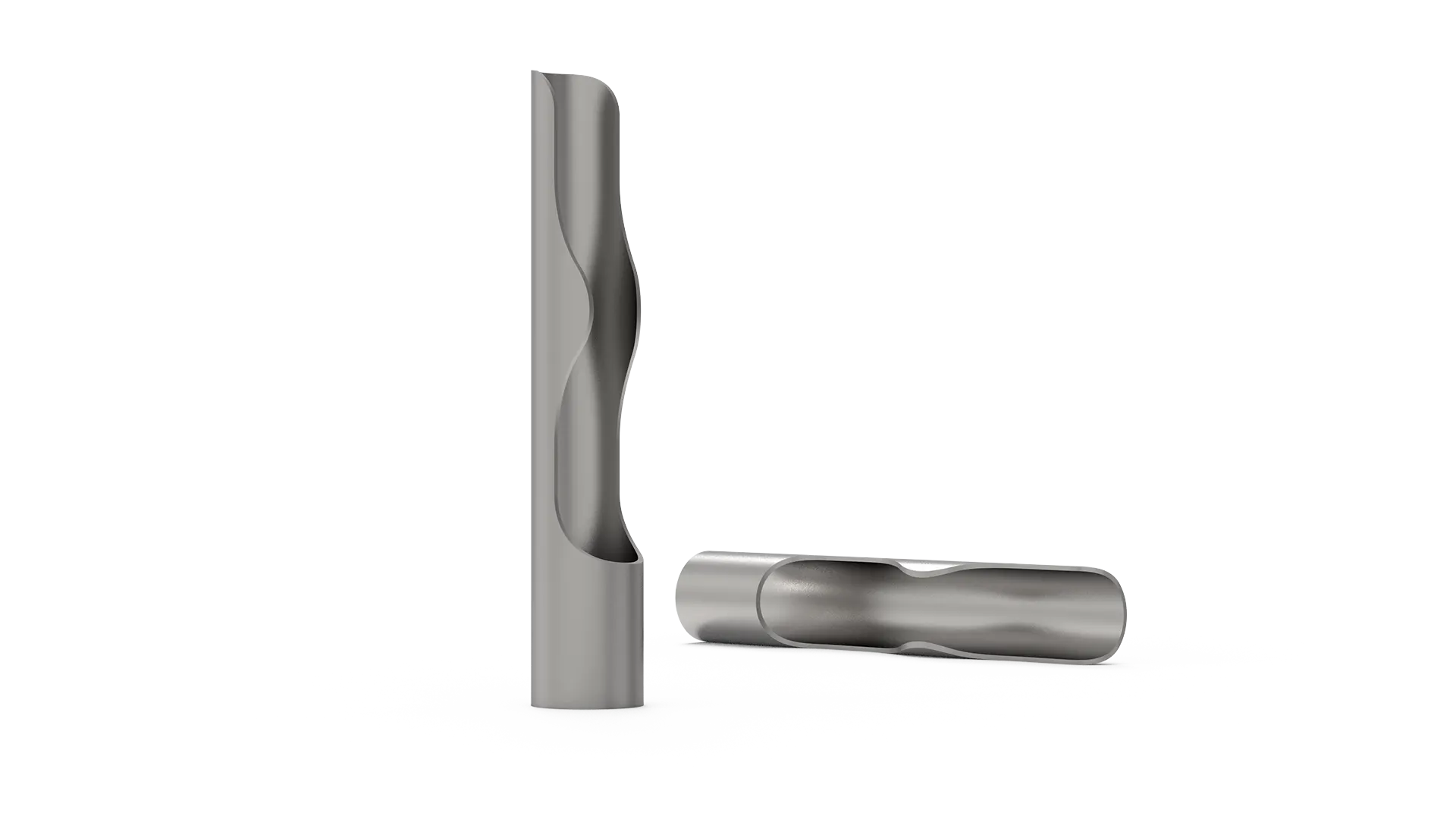
The structural backbone of any EV, chassis, and frame components, require exceptional strength and precision. The machine excels at producing complex hydroformed tubes, cross-members, and support structures that form the vehicle’s safety cage. Its ability to cut precise joints and interlocking features simplifies subsequent assembly, reducing welding and assembly times.
Battery System Components
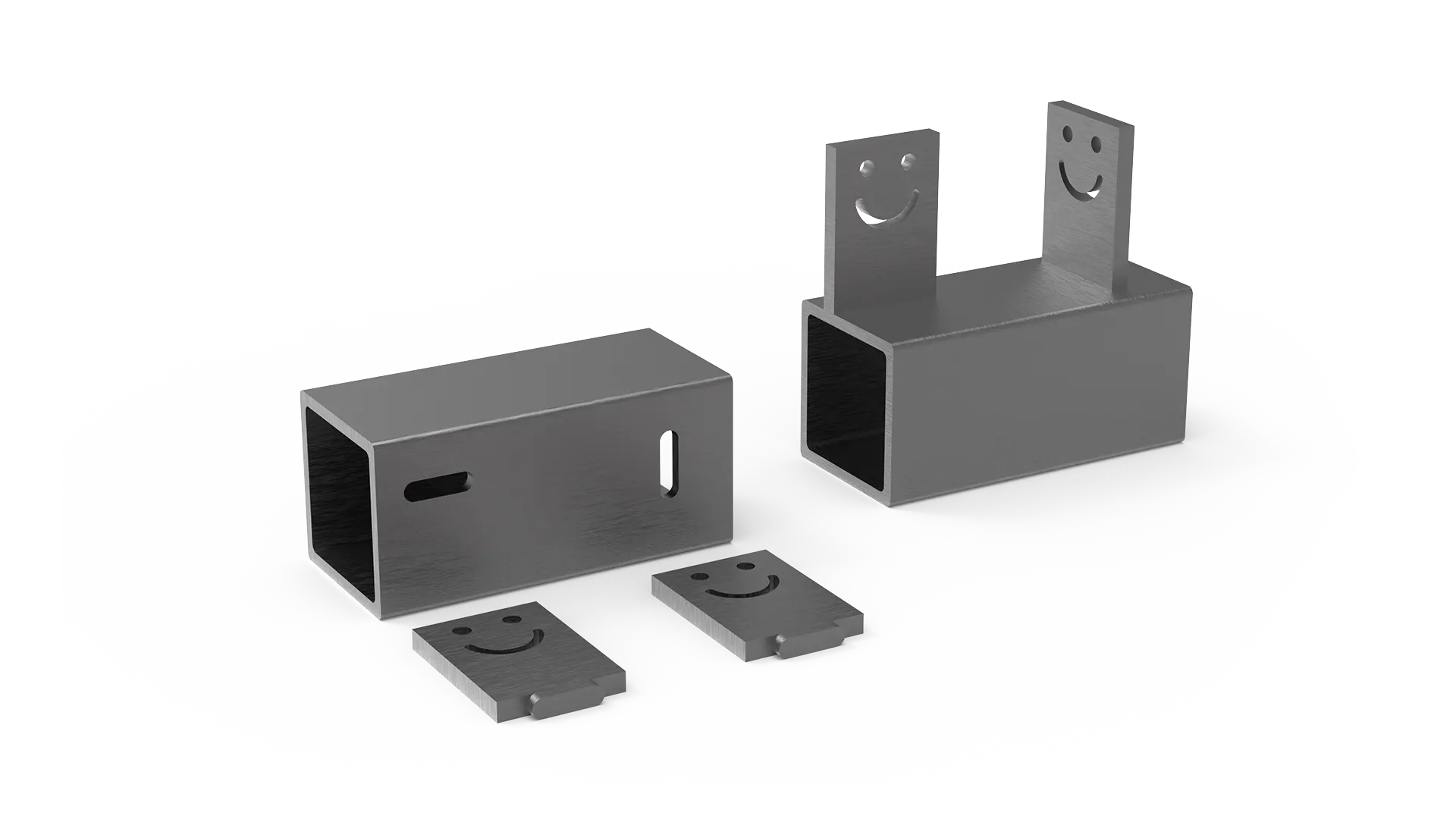
The battery pack is the heart of an EV, and its components demand extreme precision. This includes cutting intricate patterns for battery cooling plates, busbars for electrical connections, and the various structural elements of the battery housing. The laser’s accuracy ensures optimal thermal management and electrical conductivity, critical for battery performance and longevity.

Charging Infrastructure
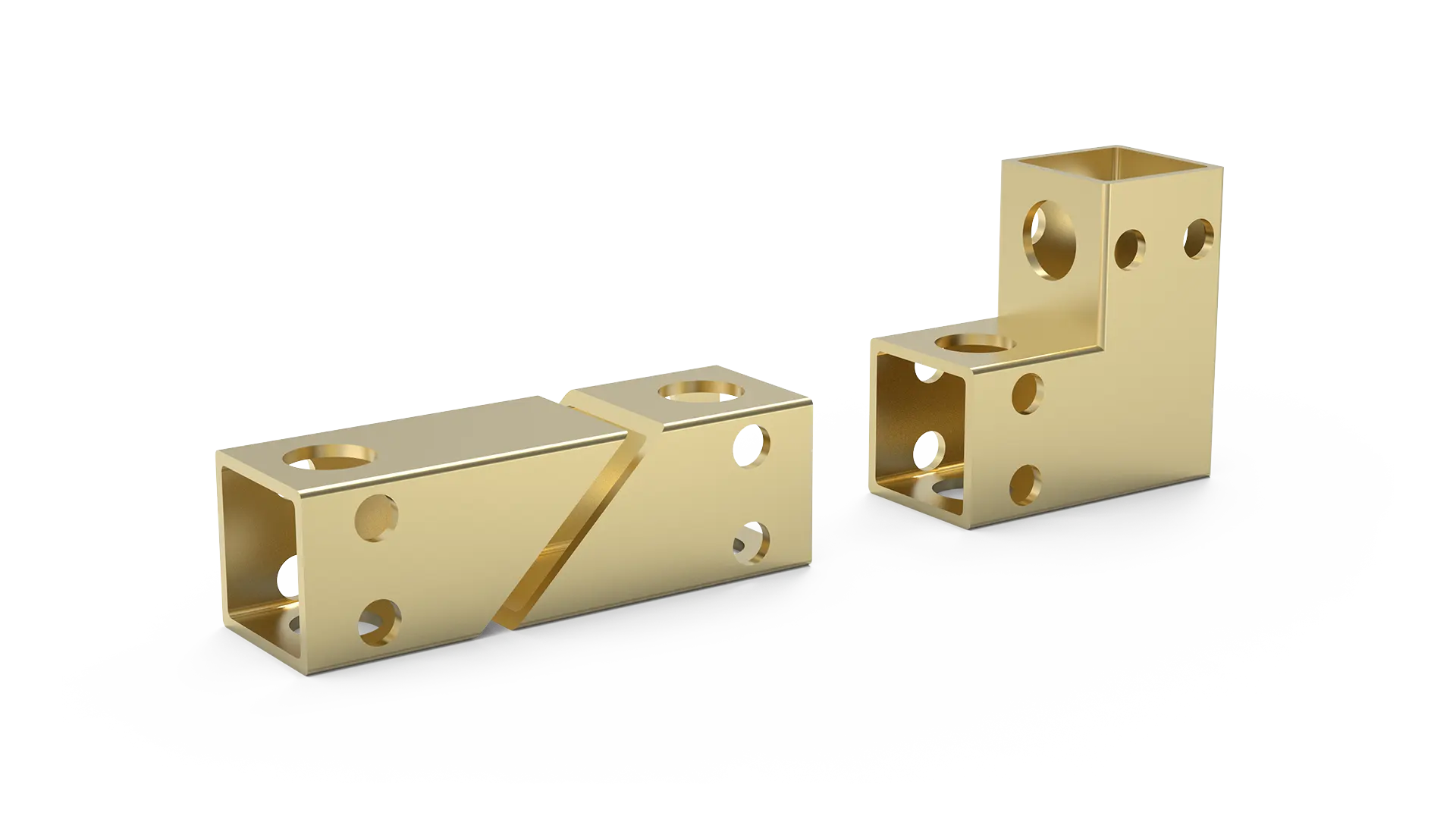
As EV adoption grows, so does the need for robust charging infrastructure. The 4 chuck tube laser is ideal for fabricating components for charging stations, including the structural frames, cable management conduits, and mounting brackets. These parts often require high durability and resistance to environmental factors, which the machine’s precise cuts help ensure.
Motor and Drivetrain Elements
Precision is paramount for the rotating parts and enclosures of electric motors and drivetrain systems. The machine can accurately cut motor shafts, housing elements, and various mounting brackets, ensuring proper alignment and smooth operation. The clean cuts reduce the need for secondary machining, saving time and costs.
Interior and Seating Structures
Lightweighting extends to the vehicle interior, including seat frames and dashboard support structures. The 4 chuck tube laser can produce these components from various alloys with high precision, contributing to overall vehicle weight reduction without compromising safety or aesthetic appeal. Its flexibility allows for custom designs and optimized ergonomics.
Advantages Over Traditional Cutting Methods
Compared to conventional fabrication techniques, the 4 chuck tube laser cutting machine offers distinct advantages that are particularly beneficial for EV production.
Compared to Sawing and Drilling
Traditional methods like sawing and drilling often involve multiple setup stages and require deburring or additional finishing processes. The 4 chuck tube laser, however, performs all cuts, holes, and features in a single, integrated process. This eliminates secondary operations, reduces labor costs, and significantly shortens production cycles. Furthermore, laser cutting produces cleaner edges with minimal burrs, enhancing part quality.
Compared to Traditional 2-Chuck Tube Lasers
The primary advantage over 2-chuck systems lies in superior workpiece stability. For long or heavy tubes, the 4 chucks prevent deflection and vibration, leading to significantly higher accuracy and improved surface finish. This allows for tighter tolerances and the creation of more complex geometries that would be challenging or impossible with only two points of contact. The enhanced stability also enables higher cutting speeds and better material utilization by minimizing unusable end pieces.
Considerations for Adopting a 4 Chuck Tube Laser System
Integrating a 4 chuck tube laser cutting machine into an existing manufacturing operation requires careful consideration of several factors to maximize its benefits.
Investment and ROI
While the initial investment for a sophisticated 4 chuck system may be higher than for conventional equipment, the long-term Return on Investment (ROI) can be substantial. Savings are realized through reduced material waste, lower labor costs due to automation, faster production cycles, and superior part quality that minimizes rework and warranty claims. A thorough cost-benefit analysis is essential.
Software Integration and Automation
Modern 4 chuck tube lasers come with advanced CAD/CAM software for efficient nesting, part programming, and simulation. Seamless integration with existing manufacturing execution systems (MES) and enterprise resource planning (ERP) systems is crucial for optimizing workflows and data management. Automation features, such as automatic bundle loaders and unloading systems, further enhance efficiency and reduce manual labor.
Operator Training and Safety
Operating advanced laser cutting equipment requires skilled personnel. Comprehensive training programs for operators on machine operation, software programming, maintenance, and safety protocols are vital. Adherence to strict laser safety regulations is also paramount to ensure a safe working environment.
Maintenance and Support
To ensure continuous operation and minimize downtime, reliable maintenance and technical support are critical. Manufacturers should consider the availability of spare parts, responsive service technicians, and comprehensive service contracts when selecting a supplier. Proactive maintenance can significantly extend the machine’s lifespan and uphold its performance.
The Future Landscape: 4 Chuck Tube Lasers and the Evolution of EV Manufacturing
The role of 4 chuck tube laser cutting machines in EV manufacturing is only set to expand. As the industry continues to innovate, these machines will likely see further integration with advanced technologies such as Artificial Intelligence (AI) for predictive maintenance and optimized cutting paths, and the Internet of Things (IoT) for real-time monitoring and data analytics.
The demand for lightweight, robust, and intricately designed EV components will continue to drive the evolution of this technology. Its inherent flexibility and precision position it as a key enabler for future generations of electric vehicles, supporting everything from advanced material processing to rapid prototyping and scalable mass production.
Conclusion: Driving Innovation in EV Production
The 4 chuck tube laser cutting machine is more than just a piece of equipment; it is a strategic asset for Electric Vehicle manufacturers. By offering unparalleled precision, enhanced efficiency, superior material utilization, and adaptability to complex designs, it addresses the core challenges of modern EV production.
As the automotive world accelerates towards an all-electric future, the ability to rapidly and cost-effectively produce high-quality, lightweight components will be a decisive competitive advantage. For manufacturers looking to innovate, scale, and maintain a leadership position in the EV market, investing in 4 chuck tube laser cutting technology is not merely an option—it is a game-changer that defines the future of manufacturing excellence.
For expert guidance, you can contact SLTL Group at +919925036495 or email mkt@sltl.com. You can also visit www.sltl.com to explore the complete range of laser cutting machines and other solutions.
Frequently Asked Questions (FAQs)
1. How can I reduce material waste in tube cutting for EV components?
You can reduce waste by focusing on better part nesting and stable clamping during cutting. A system that supports multi-point holding helps keep the tube steady, so offcuts are minimized. When you combine that with optimized nesting software, you can place parts more efficiently on the tube length and reduce leftover material significantly over time.
2. Is a CNC laser cutting machine suitable for high-volume EV production?
Yes, you can rely on a CNC setup for high-volume work because it maintains repeatability across long production runs. Once the program is validated, the machine can run consistent cycles with minimal variation. This reduces rework and helps maintain uniform quality, which is important when you are producing the same EV components at scale.
3. How does a 4 chuck system improve my cutting accuracy?
You get improved accuracy because the tube is supported at multiple points instead of just two. This reduces bending and vibration, especially on longer or thinner sections. With better stability, the cutting head can follow the programmed path more precisely, which results in cleaner edges and tighter tolerances across the entire length.
4. Can I cut different materials like aluminum and steel with one machine?
You can process a range of materials on the same machine, provided the cutting parameters are set correctly. Materials like aluminum, mild steel, and stainless steel behave differently under heat, so settings need to be adjusted. Once optimized, you can switch between materials without major setup changes, which helps in mixed production environments.
5. Will this machine help me reduce labor costs?
You can reduce manual intervention because many steps such as alignment, feeding, and repositioning are handled automatically. This means fewer operators are needed per shift, and the team can focus on supervision and quality checks. Over time, this can bring down labor dependency while improving overall throughput.
6. Is it worth investing in a high power laser cutting machine?
It depends on the type of work you handle. If your production involves thicker materials or higher volumes, a higher power system can complete jobs faster and with fewer passes. However, for thinner materials, lower power systems may be more cost-efficient. Evaluating your material mix and production targets helps you decide the right configuration.
7. Can I use laser welding machine along with tube cutting for full production?
Yes, integrating cutting and welding in your workflow can streamline production. After cutting, parts can move directly to welding without extensive preparation. This reduces handling time and improves alignment between parts. When processes are connected, it also becomes easier to maintain consistent quality across batches.
8. How does a handheld laser welding machine help my operations?
You can use it for applications where flexibility is needed, such as repair work or small batch production. It allows you to reach areas that are difficult with fixed setups. Since it is easier to handle and requires less setup time, it can be useful for quick jobs without interrupting your main production line.
9. Will laser engraving machine help in traceability for EV parts?
You can use marking systems to add serial numbers, QR codes, or batch details directly onto components. These markings remain readable over time, even under harsh conditions. This makes it easier to track parts through the production cycle and during field use, which is important for quality control and compliance.
10. How quickly can I adapt to new EV designs using this technology?
You can adapt relatively quickly because most changes are handled through software rather than hardware adjustments. When a new design is introduced, you update the program and test it before production. This reduces downtime between design changes and helps you respond faster to new requirements.
Author Bio

Mayank Patel
R&D HeadMayank Patel is the Head of Research & Development at SLTL Group, bringing over 20+ years of hands-on experience in the field of laser technology. A forward-thinking innovator, he has played a pivotal role in developing advanced laser cutting, welding, and marking solutions tailored for diverse industries. Under his leadership, SLTL’s R&D division continues to push the boundaries of what laser systems can achieve in modern manufacturing.