PEB manufacturers using traditional cutting methods are already losing time, material, and profit. See how fiber laser cutting improves precision, speed, automation, and cost efficiency before your competitors move ahead with smarter fabrication.
The rapid evolution of PEB manufacturing has been driven by the need for higher precision, faster production cycles, and improved cost efficiency. As Pre-Engineered Buildings continue to dominate industrial and commercial construction, the fabrication processes behind them have undergone significant transformation. Among the most impactful advancements is the adoption of fiber laser cutting technology.
Unlike conventional cutting methods such as oxy-fuel and plasma, fiber laser cutting offers a combination of speed, accuracy, and automation that aligns perfectly with the demands of modern steel fabrication. From processing primary structural members to producing intricate connection components, this technology has become a key enabler of high-performance PEB production. Manufacturers looking to understand the fundamentals of modern PEB structures can also explore What is a Pre-Engineered Building (PEB)? A Complete Guide and Understanding Structural Steel Requirements in PEB Systems for deeper industry insights.
Modern fabrication industries are now adopting advanced laser solution technologies because they help improve productivity while reducing operational costs. Whether you are using a CNC Laser Cutting Machine for heavy fabrication or a Laser cutter for precision parts, fiber laser systems are becoming essential in today’s competitive manufacturing environment.
1. Exceptional Precision and Dimensional Accuracy
One of the most critical advantages of fiber laser cutting in PEB manufacturing is its ability to deliver extremely high precision. Structural components in PEB systems must fit together seamlessly, and even minor deviations can lead to alignment issues during assembly.
Fiber laser systems can achieve tolerances as tight as ±0.05 mm, ensuring:
- Accurate profile cutting
- Precise hole positioning
- Consistent geometry across components
This level of accuracy minimizes errors and ensures that components align perfectly during on-site erection.
Today, many manufacturers prefer a Fiber laser cutting machine because it delivers repeatable accuracy even during large production batches. A High power laser cutting machine is especially useful for processing thick steel sections used in modern PEB construction.
2. Superior Edge Quality and Surface Finish
Edge quality plays a crucial role in fabrication, especially for components that require welding or bolted connections. Fiber laser cutting produces clean, smooth edges with minimal burr formation. Key Benefits:
- Reduced need for grinding or finishing
- Improved weld penetration and quality
- Better contact between connection plates
In PEB manufacturing, this directly contributes to stronger joints and improved structural performance.
When combined with a Laser welding machine or Handheld Laser welding machine, manufacturers can achieve stronger assemblies with reduced distortion. This integrated approach is already transforming industries like Construction, Automotive parts, Aerospace, and Tool and Mold Manufacturing.
3. Minimal Heat-Affected Zone (HAZ)
Traditional thermal cutting methods generate significant heat, which can alter the microstructure of steel and cause distortion. Fiber laser cutting, on the other hand, produces a very small heat-affected zone. Impact:
- Preserves material properties
- Reduces warping and deformation
- Improves dimensional stability
This is particularly important for large structural components where accuracy is critical.
A Lower power laser cutting machine can also deliver excellent cutting performance for thinner materials while maintaining low thermal impact.
4. High-Speed Processing and Productivity
Speed is a major factor in large-scale PEB manufacturing, where thousands of components must be processed within tight deadlines.
Fiber laser cutting machines offer:
- Cutting speeds up to 20-40 m/min for thin sheets
- Rapid acceleration and positioning
- Continuous operation with minimal downtime
This significantly reduces production cycle time and increases overall throughput. Manufacturers looking to improve fabrication speed can also explore Building Smarter, Faster, Stronger: The Power of Fiber Laser in PEB Manufacturing, which explains how advanced automation improves overall production efficiency.
At the same time, many fabrication facilities are integrating a Best Laser Cutting Machine for Sheet Metal to handle both standard and custom structural requirements efficiently.
5. Multi-Process Capability in a Single Setup
Fiber laser cutting machines can perform multiple operations simultaneously, including:
- Profile cutting
- Hole drilling
- Slotting and notching
- Edge contouring
This eliminates the need for separate machines or processes, reducing handling time and improving workflow efficiency.
Modern CNC cutting machine systems are designed to simplify operations while maintaining production flexibility. This capability is highly valuable for industries such as Electronic, Medical devices, and Jewelery manufacturing where precision and versatility are essential.
6. Material Optimization and Reduced Waste
Material cost is a major contributor to overall project expenses in PEB manufacturing. Fiber laser systems, combined with advanced nesting software, help maximize material utilization.
Techniques Used:
- Common-line cutting
- Part-in-part nesting
- Dynamic spacing
These methods reduce scrap and ensure efficient use of raw materials, leading to significant cost savings.
Many fabricators now combine Metal laser cutting with intelligent nesting software to reduce waste and increase profitability. This approach is also becoming popular in agricultural equipment production. Manufacturers can refer to Importance of Laser Cutting in Thresher Manufacturing: Driving Precision, Productivity & Profitability to understand how laser processing improves efficiency in heavy equipment manufacturing.
In many modern fabrication plants, a Laser engraving machine is also integrated into the workflow for part traceability and identification.
7. Compatibility with Automation and Industry 4.0
Modern fiber laser cutting systems are designed for integration with automated manufacturing environments.
Key Features:
• CNC-controlled operations
• Automated loading/unloading systems
• Integration with CAD/CAM software
• Real-time monitoring via IoT
This enables manufacturers to achieve higher efficiency, consistency, and scalability in PEB manufacturing. Automation-ready Laser cutting machine systems are helping fabrication businesses move toward smart manufacturing. As Industry 4.0 adoption grows, integrated laser solution ecosystems are becoming increasingly important.
For businesses planning complete automation, solutions that combine cutting, marking, and welding can provide better operational control.
8. Reduced Labor Dependency
Automation and precision reduce the need for manual intervention in the fabrication process. Benefits:
- Lower labor costs
- Reduced human error
- Improved safety
Fiber laser cutting allows manufacturers to maintain high productivity with fewer resources.
This is one reason why many companies are investing in a CNC Laser Cutting Machine instead of relying on conventional fabrication methods.
To further improve productivity, manufacturers are also exploring How Combining Laser Cutting, Welding and Marking Machine Reduces Operational Costs for a more connected fabrication ecosystem.
For expert guidance on selecting the right Laser cutting machine for your application, businesses can connect with SLTL Group at +91 9925036495 or email mkt@sltl.com. More details are available at SLTL Group.
9. Enhanced Flexibility in Design and Customization
PEB projects often require customization based on client needs. Fiber laser cutting offers flexibility in handling complex geometries and design changes.
Advantages:
- Easy modification of designs without tooling changes
- Ability to cut intricate shapes and patterns
- Faster adaptation to project requirements
This makes fiber laser cutting ideal for both standard and customized PEB structures.
Whether you are manufacturing structural steel sections or decorative architectural elements, a Cutting machine for metal offers excellent design flexibility.
10. Improved Quality Consistency Across Production
Consistency is critical in PEB manufacturing, especially when producing large volumes of components. Fiber laser cutting ensures:
- Uniform dimensions across batches
- Repeatable results
- Reduced variability
This leads to better quality control and fewer defects.
The reliability of a Fiber laser cutting machine becomes especially important in industries that demand tight tolerances, including Aerospace, Automotive parts, and Medical devices.
11. Lower Maintenance and Operational Costs
Compared to traditional cutting systems, fiber laser machines have fewer moving parts and do not require consumables like electrodes or nozzles in the same way plasma systems do.
Cost Benefits:
- Reduced maintenance requirements
- Lower downtime
- Longer machine life
This contributes to overall cost efficiency in the long run.
A Best laser cutting machine not only improves productivity but also helps reduce operational interruptions, which directly impacts profitability.
12. Energy Efficiency and Sustainability
Fiber lasers are more energy-efficient than conventional cutting technologies. Key Points:
- Higher electrical efficiency
- Lower power consumption
- Reduced environmental impact
In modern PEB manufacturing, sustainability is becoming increasingly important, and fiber laser technology supports eco-friendly production practices.
Many fabrication companies now prefer High power laser cutting machine systems because they offer both productivity and energy savings.
13. Faster On-Site Assembly and Reduced Rework
Precision-cut components ensure that parts fit perfectly during installation.
Results:
- Faster erection of structures
- Minimal on-site adjustments
- Reduced rework and delays
This improves project timelines and overall efficiency.
Accurate Metal laser cutting reduces installation errors and helps contractors complete projects faster. This advantage is highly valuable in the Construction sector where project deadlines are strict.
14. Integration with Laser Marking and Welding
Integrate your manufacturing with our advance laser solutions

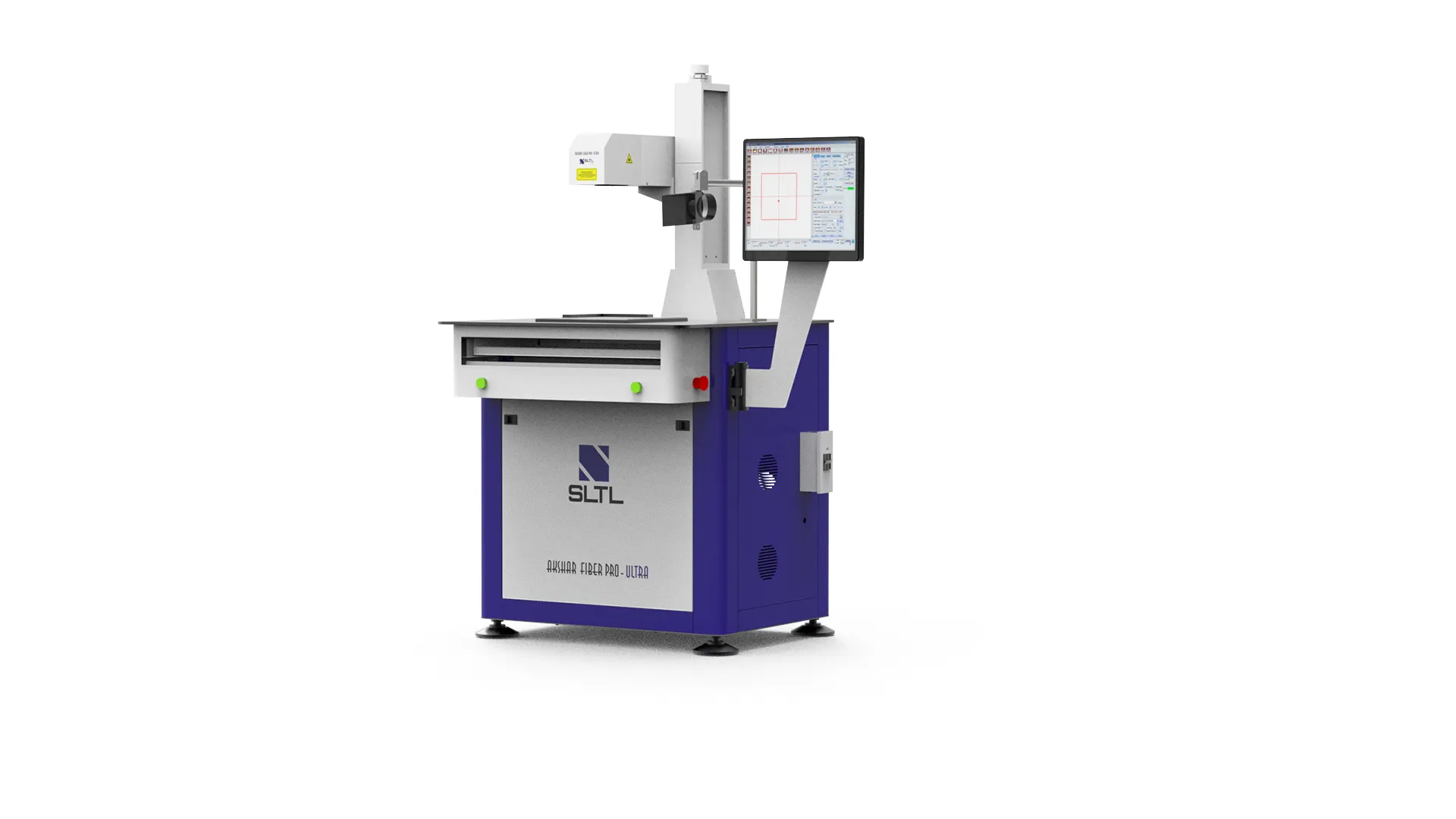
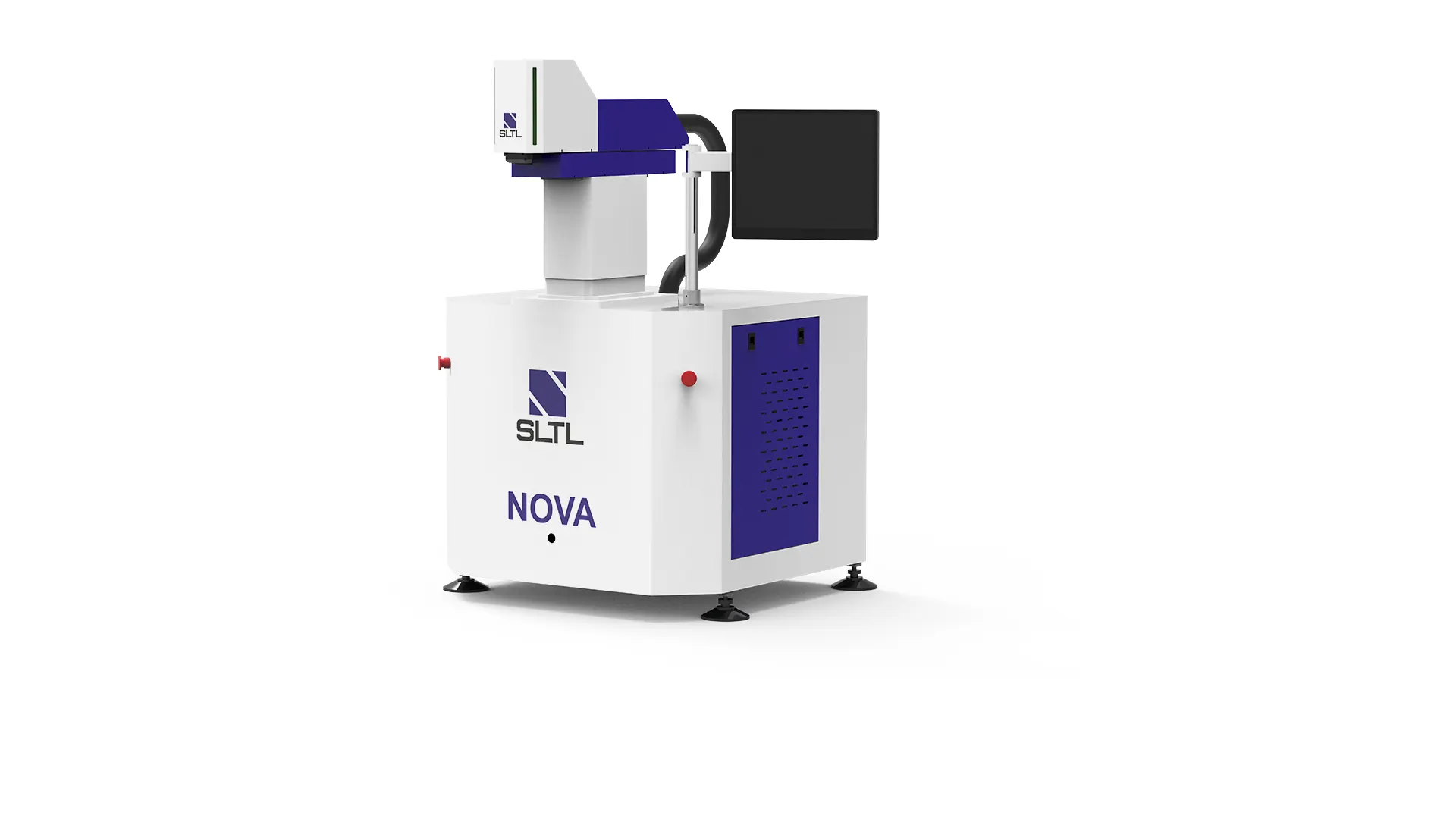
Fiber laser cutting is often used alongside other laser technologies to create a complete fabrication ecosystem. Integrated Technologies:
- Laser marking: For part identification and traceability
- Laser welding: For strong, low-distortion joints
This integration enhances production efficiency and supports smart manufacturing systems.
Modern fabrication facilities now combine Laser engraving machine, Laser welding machine, and Fiber laser cutting machine technologies into a single automated workflow. This approach improves traceability, reduces manual handling, and increases overall productivity.
Handheld Laser welding machine solutions are also becoming popular because they offer flexibility during assembly and repair work.
Conclusion
Fiber laser cutting has transformed steel fabrication in PEB manufacturing by delivering unmatched precision, speed, and efficiency. Its ability to produce high-quality components with minimal waste and reduced processing time makes it an essential technology for modern fabrication facilities. As the demand for faster construction and higher structural performance continues to grow, adopting fiber laser cutting is no longer just an advantage, it is a necessity. By leveraging this technology, manufacturers can achieve superior quality, improved productivity, and long-term cost savings, positioning themselves at the forefront of the evolving PEB industry.
Businesses looking for advanced laser solution technologies can explore SLTL Group’s range of Laser cutting machine systems, CNC cutting machine solutions, Laser welding machine technologies, and Laser engraving machine platforms for multiple industrial applications.
For more information, contact SLTL Group at +91 9925036495 or email mkt@sltl.com. You can also visit SLTL Group Official Website to explore advanced fiber laser technologies for PEB fabrication and industrial manufacturing.
FAQs
Q1. How do I know if a fiber laser cutting machine is suitable for my PEB fabrication business?
You should evaluate your production volume, material thickness, accuracy requirements, and delivery timelines. If you want faster processing, precise cutting, lower rework, and automation-ready production, a fiber laser cutting machine is the right investment for your PEB fabrication setup.
Q2. Which is better for my PEB steel fabrication, plasma cutting or fiber laser cutting?
You should choose fiber laser cutting if you need better edge quality, tighter tolerances, lower heat distortion, and reduced finishing work. It helps you improve fabrication quality while reducing operational costs over time.
Q3. Can I use one laser cutting machine for both thick and thin PEB steel sections?
You can process both thick and thin materials by selecting the right machine power configuration. A high power laser cutting machine is ideal for heavy structural sections, while a lower power laser cutting machine works efficiently for thinner sheets and lighter fabrication tasks.
Q4. How much material waste can I reduce with a CNC laser cutting machine in PEB manufacturing?
You can significantly reduce scrap by using advanced nesting software with a CNC Laser Cutting Machine. Better material utilization helps you save raw material costs and improve overall profitability in large production batches.
Q5. Will a laser cutting machine improve my project delivery timelines?
You can complete fabrication faster because laser cutting machines offer high-speed processing, accurate cutting, and minimal secondary finishing. This helps you reduce production delays and speed up on-site PEB assembly.
Q6. Can I integrate laser welding and laser marking with my current fabrication workflow?
You can easily integrate Laser welding machine and Laser engraving machine solutions into your existing production line. This creates a connected fabrication ecosystem with better traceability, faster assembly, and improved production efficiency.
Q7. How do I choose the best laser cutting machine for sheet metal used in PEB structures?
You should consider material thickness, daily production load, automation requirements, and future scalability before selecting the machine. The best laser cutting machine for sheet metal should match your fabrication goals and long-term production plans.
Q8. Is a handheld laser welding machine useful for PEB fabrication work?
You can use a Handheld Laser welding machine for quick welding, repair work, and flexible assembly operations. It helps you reduce distortion, improve weld quality, and increase operator productivity during fabrication.
Q9. How much labor cost can I reduce by switching to fiber laser cutting technology?
You can reduce manual handling, grinding, rework, and operator dependency with automated laser cutting systems. This helps you lower labor costs while maintaining consistent production quality.
Q10. Where can I get expert guidance for selecting the right laser solution for my PEB manufacturing plant?
You can connect with SLTL Group to discuss your fabrication requirements, production challenges, and automation goals. You can call +91 9925036495, email mkt@sltl.com, or visit www.sltl.com for complete laser solutions for PEB steel fabrication.
Author Bio

Mayank Patel
R&D HeadMayank Patel is the Head of Research & Development at SLTL Group, bringing over 20+ years of hands-on experience in the field of laser technology. A forward-thinking innovator, he has played a pivotal role in developing advanced laser cutting, welding, and marking solutions tailored for diverse industries. Under his leadership, SLTL’s R&D division continues to push the boundaries of what laser systems can achieve in modern manufacturing.