Still losing expensive tube material as scrap? Zero tailing tube laser cutting machines help manufacturers cut more parts from every tube, reduce waste, and save major costs. See how modern fabrication is changing before your competitors do.
The Revolution of Efficiency: How Zero Tailing Tube Laser Cutting Machines Reduce Material Waste
In the demanding world of industrial manufacturing, optimizing material utilization is not merely a goal; it is a critical imperative for profitability and sustainability. Traditional tube processing methods often contend with significant material waste, leading to increased operational costs and environmental impact. However, a transformative technology has emerged to address this challenge head-on: zero tailing tube laser cutting machines.
This advanced machinery represents a paradigm shift in how manufacturers approach tube fabrication. By virtually eliminating remnant material at the end of each tube, these systems unlock unprecedented levels of efficiency. This article will delve into the mechanics and manifold benefits of zero tailing technology, demonstrating its profound impact on material waste reduction and overall manufacturing prowess.
The Traditional Landscape of Tube Laser Cutting: Understanding Material Waste
For decades, tube laser cutting has been a cornerstone of modern manufacturing, offering precision and versatility. Yet, even with this advanced technology, a persistent challenge has been the generation of significant material waste. This waste primarily stems from the inherent limitations of traditional machine designs and operational methodologies.
Understanding these traditional limitations is crucial to appreciating the innovative leap offered by zero tailing systems. The core issue revolves around the inability of conventional chucks to grip the tube extremely close to the laser cutting head. This mechanical constraint necessitates leaving an uncut portion at the tube’s end.
The Inevitable Remnant: End Pieces and Lead-ins
Traditional tube laser cutters require a certain length of material for the chucks to securely hold and rotate the tube during the cutting process. This necessary gripping distance inevitably results in an unprocessable end piece, commonly referred to as a “tail” or “remnant.” This tail, often several inches long, contains valuable material that cannot be fully utilized for part production.
Furthermore, the cutting process itself often requires “lead-in” and “lead-out” paths for the laser to pierce and exit the material smoothly. While essential for cut quality, these paths, especially when inefficiently programmed, can further contribute to the overall material loss per part. Cumulatively, these small remnants quickly add up across thousands of parts and tubes, resulting in substantial material scrap.
Impact on Profitability and Sustainability
The financial ramifications of material waste are profound. Scrap material represents direct material costs that yield no productive output. Manufacturers purchase raw tubing, invest energy in processing it, and then pay for the disposal of unusable remnants.
This cycle directly impacts profit margins, especially in high-volume production environments or when working with expensive alloys. Beyond the economic burden, material waste carries a significant environmental cost. It contributes to increased demand for raw materials, higher energy consumption in production, and greater landfill volumes. Companies are increasingly scrutinized for their environmental footprint, making waste reduction a key component of corporate social responsibility and sustainable practices.
Introducing Zero Tailing Tube Laser Cutting: A Paradigm Shift
The limitations of traditional tube cutting sparked innovation, leading to the development of zero tailing technology. This advancement fundamentally redefines the capabilities of tube laser cutting, offering a solution that significantly mitigates the problem of material waste. It represents a strategic investment for manufacturers aiming for peak efficiency and resource optimization.
Zero tailing technology moves beyond merely reducing waste; it aims to virtually eliminate it. This approach allows businesses to extract maximum value from every length of raw material, transforming previously unusable remnants into finished, sellable components. The impact is felt across the entire production chain, from procurement to final product assembly.
Defining Zero Tailing Technology
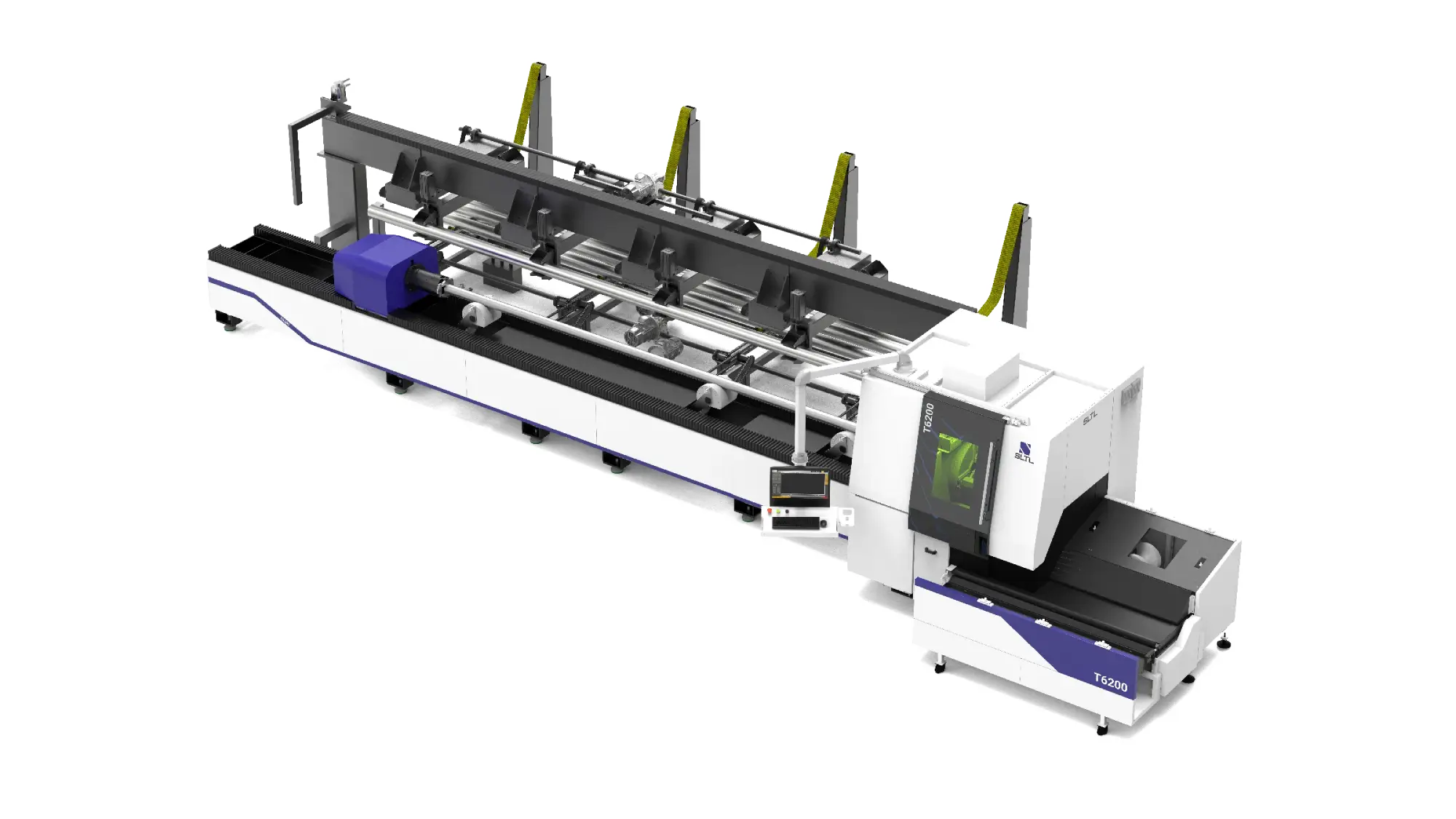
Zero tailing tube laser cutting refers to systems designed to minimize or completely eliminate the unusable remnant at the end of a tube. Unlike conventional machines, which leave a significant “tail” that cannot be processed, zero tailing systems can cut parts from almost the entire length of the tube. This capability is achieved through sophisticated chuck designs and advanced software algorithms.
The core concept is to maintain secure gripping and precise control of the tube even as the cutting head approaches its very end. This allows the laser to perform cuts within mere millimeters of the final clamping point, thereby extracting the maximum possible number of parts from each tube length. The result is a dramatic reduction in scrap material.
The Core Principle: Maximizing Material Utilization
At its heart, zero tailing technology is driven by the principle of maximizing material utilization. Every design and operational feature of these machines is geared towards transforming what was once waste into valuable product. This principle moves beyond simply cutting parts; it is about intelligent resource management.
By effectively using nearly 100% of the raw tube material, manufacturers can achieve several critical objectives. These include substantial reductions in material procurement costs, decreased waste disposal expenses, and a significant improvement in overall production efficiency. The economic and environmental benefits cascade throughout the entire manufacturing ecosystem.
The Mechanics Behind Minimal Waste: How Zero Tailing Works
The ability of zero tailing machines to nearly eliminate material waste is not a simple feat; it is the culmination of sophisticated engineering and intelligent design. These machines integrate several advanced components and software capabilities that work in harmony to achieve unparalleled material efficiency. Understanding these mechanics reveals the true ingenuity of the technology.
Key to their operation are innovative chuck systems, highly precise material feeding mechanisms, and advanced software that optimizes cutting paths and part nesting. Each element plays a crucial role in ensuring that every millimeter of the raw tube is considered a potential source of a finished part, rather than scrap.
Advanced Chuck Systems and Material Feeding
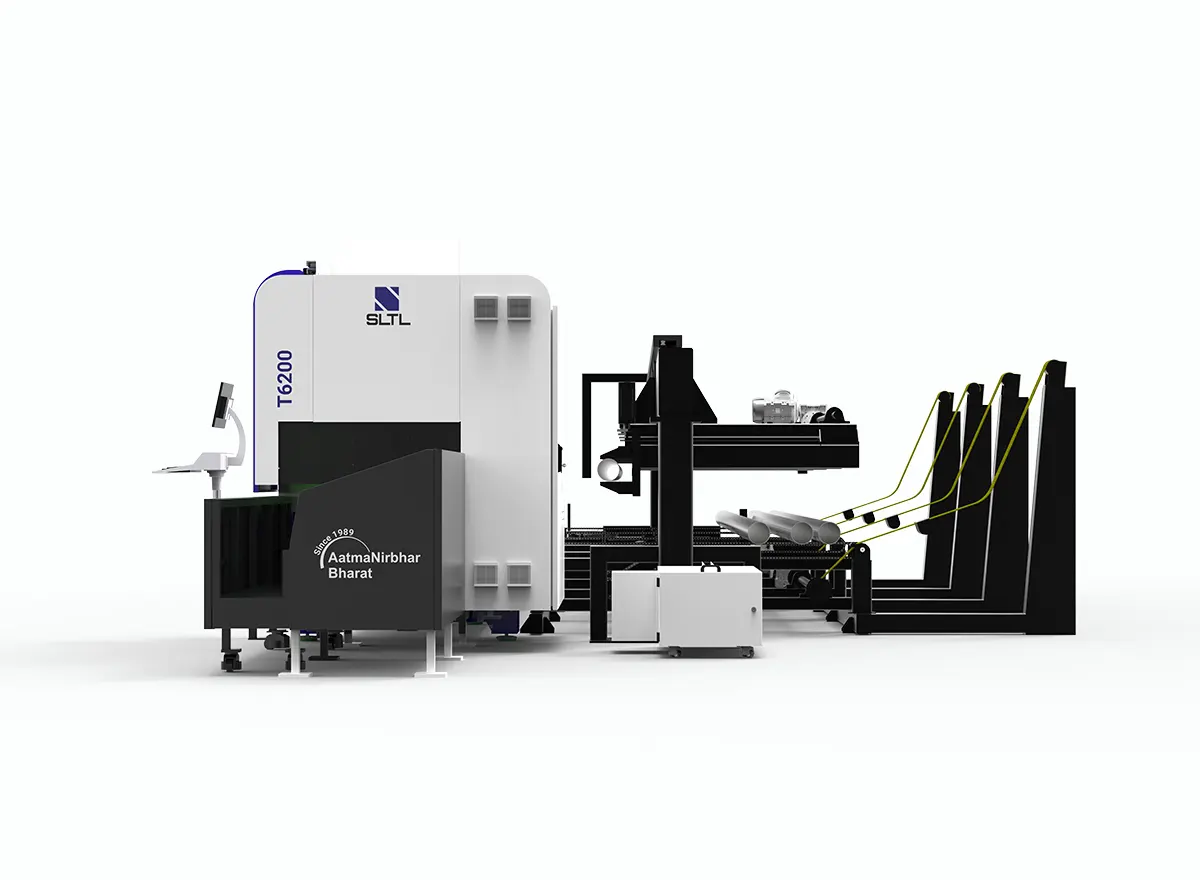
The cornerstone of zero tailing technology lies in its advanced chuck systems. Unlike traditional designs, these chucks are engineered to provide an exceptionally stable and precise grip on the tube, even when only a minimal length remains. Many systems utilize a “back-feeding” or “push-pull” mechanism with multiple chucks.
As the front chuck moves towards the cutting head, a secondary, or even a third, chuck takes over the gripping and feeding task from the rear. This allows the primary cutting chuck to approach the absolute end of the tube, minimizing the tail. The precision of these feeding systems ensures consistent material presentation, crucial for maintaining cut quality right up to the final cut.
Intelligent Nesting and Software Optimization
While advanced hardware is vital, the intelligence of zero tailing machines largely resides in their sophisticated software. Integrated nesting algorithms are paramount to maximizing material utilization. These programs analyze the dimensions and quantities of parts to be cut and then arrange them along the length of the tube in the most efficient manner possible.
This optimization considers not just the parts themselves, but also the laser’s kerf width and lead-in/lead-out requirements. The software can dynamically adjust part orientation and spacing to fit as many components as possible onto a single tube, even staggering parts to utilize complex geometries near the tube ends. This intelligent planning is crucial for truly achieving minimal waste.
Dynamic Cutting Path Generation
Another critical software capability is dynamic cutting path generation. Unlike static programming, where lead-ins and lead-outs might be rigidly defined, zero tailing systems can adapt the laser’s path in real-time or through highly optimized pre-programming. This means the system can intelligently share common cut lines between adjacent parts, or adjust lead-ins to be as short and efficient as possible, especially as the laser approaches the tube end.
This dynamic adjustment minimizes the non-productive laser travel and ensures that every cut contributes directly to a part. It further reduces the micro-waste that accumulates from inefficient cutting strategies, solidifying the machine’s ability to use almost the entire tube length.
Real-time Monitoring and Adjustments
Precision is maintained throughout the cutting process via real-time monitoring and adjustments. Sensors continuously track the tube’s position, rotation, and the laser’s performance. This data allows the control system to make instantaneous micro-adjustments to ensure accuracy and prevent errors.
Such meticulous control is especially important when cutting very close to the chucks or at high speeds. It ensures that the integrity of the cut is maintained, and that the zero tailing capability does not come at the expense of part quality. This continuous feedback loop guarantees consistent, high-quality output while adhering to the minimal waste principle.
Quantifiable Benefits: Reducing Material Waste and Beyond
The advantages of adopting zero tailing tube laser cutting technology extend far beyond the mere reduction of scrap material. While material savings are a primary driver, these machines deliver a comprehensive suite of benefits that enhance operational efficiency, reduce overall costs, and bolster a company’s competitive edge. The return on investment (ROI) for these systems is often rapid and significant.
Manufacturers can expect improvements across various facets of their production, from raw material handling to environmental compliance. These benefits collectively contribute to a more streamlined, cost-effective, and sustainable manufacturing operation, making the technology a strategic asset for forward-thinking businesses.
Direct Material Cost Savings
The most immediate and impactful benefit is the substantial reduction in direct material costs. By converting what was once unusable remnant material into saleable parts, companies effectively increase the yield from every purchased length of tubing. For operations processing large volumes of material, especially expensive alloys like stainless steel, aluminum, or specialized metals, these savings can amount to hundreds of thousands or even millions of dollars annually.
Consider a scenario where a traditional machine leaves a 6-inch tail on a 20-foot tube. This represents 2.5% material loss. A zero tailing machine reducing that to 0.5 inches cuts the waste by 90%. Over thousands of tubes, the cumulative savings are immense, directly impacting the bottom line.
Increased Production Efficiency
Less material waste directly translates to increased production efficiency. When more parts can be cut from a single tube, there are fewer material changeovers. This reduces downtime associated with loading new tubes, optimizing the machine’s active cutting time. Additionally, the need to manage and sort large quantities of scrap is significantly diminished.
This enhanced efficiency allows manufacturers to produce more parts in the same amount of time, thereby increasing throughput and meeting tighter production deadlines. It also frees up operator time from waste management tasks, allowing them to focus on more value-added activities.
Environmental Responsibility and Sustainability
In today’s increasingly environmentally conscious market, sustainability is not just good practice, it’s good business. Zero tailing technology drastically reduces the volume of scrap material sent to landfills or recycling facilities, thereby lessening the overall environmental footprint of manufacturing operations.
By consuming fewer raw materials for the same output, companies contribute to resource conservation and reduce the energy associated with primary material production. This commitment to sustainability can enhance a company’s brand image, appeal to environmentally-minded customers, and help meet stringent regulatory requirements.
Improved Part Quality and Consistency
The advanced control and precision inherent in zero tailing systems contribute to improved part quality and consistency. By minimizing material movement and ensuring a stable cutting environment, these machines can maintain tighter tolerances across all parts, including those cut at the very end of the tube.
Reduced material manipulation and optimized cutting paths lead to cleaner cuts, fewer burrs, and less distortion. This consistency means fewer rejected parts, less need for secondary finishing operations, and ultimately, a higher quality final product that meets precise specifications every time.
Reduced Scrap Handling and Disposal Costs
Beyond the cost of the wasted material itself, companies incur expenses related to handling, storing, and disposing of scrap. This includes labor for segregation, storage space, and fees for scrap metal collection or landfilling. Zero tailing machines significantly reduce the volume of scrap, thereby lowering these associated operational costs.
With less scrap to manage, factory floors are cleaner, safer, and more organized. This operational streamlining further contributes to a more efficient and cost-effective manufacturing environment, making the entire process more lean and productive.
Beyond Waste Reduction: Additional Advantages of Zero Tailing Systems
While material waste reduction is the cornerstone benefit, zero tailing tube laser cutting machines offer a host of other advantages that enhance overall manufacturing capabilities. These additional features solidify their position as a premium, high-performance solution for modern fabrication needs. They extend the utility and value proposition beyond just saving material.
From increasing automation levels to improving operator safety and handling a wider range of materials, these systems are designed for comprehensive operational improvement. They represent an investment in future-proofing manufacturing processes and staying ahead in a competitive market.
Enhanced Automation Capabilities
Zero tailing machines are often designed with high levels of automation, enabling seamless integration into advanced manufacturing workflows. This includes automated bundle loaders that feed raw tubes into the machine, as well as automated unloading systems that sort and stack finished parts. The minimal human intervention required reduces labor costs and increases consistency.
Furthermore, these machines can be integrated with enterprise resource planning (ERP) and manufacturing execution systems (MES), allowing for real-time production monitoring, scheduling optimization, and data analysis. This level of automation is crucial for smart factories and Industry 4.0 initiatives.
Versatility in Material and Geometry
Modern zero tailing systems are engineered to handle a wide variety of materials and tube geometries. They can process round, square, rectangular, oval, and custom-profile tubes made from mild steel, stainless steel, aluminum, brass, copper, and more. The advanced chuck designs provide the necessary grip and stability for diverse shapes and weights.
This versatility allows manufacturers to consolidate multiple operations onto a single machine, reducing the need for specialized equipment and streamlining production lines. It offers flexibility to meet evolving product demands and explore new market opportunities with confidence.
Operator Safety and Ergonomics
The high degree of automation inherent in zero tailing systems also significantly enhances operator safety and improves ergonomics. With less manual handling of raw tubes and scrap material, the risk of injuries related to heavy lifting, repetitive motions, or sharp edges is substantially reduced.
Operators can focus on monitoring the machine and managing the software, rather than physically manipulating materials. This creates a safer, cleaner, and more comfortable working environment, contributing to higher job satisfaction and reducing workplace accidents.
Is Zero Tailing Right for Your Operation? Key Considerations
While the benefits of zero tailing tube laser cutting machines are compelling, deciding to invest in such advanced technology requires careful consideration. Manufacturers must evaluate their specific production needs, financial capabilities, and long-term strategic goals. Understanding these key factors will help determine if a zero tailing system is the optimal solution for your business.
It is important to look beyond the initial purchase price and consider the total cost of ownership, potential for increased revenue, and alignment with future growth strategies. A thorough assessment ensures that the investment yields the anticipated returns and seamlessly integrates into existing operations.
Initial Investment vs. Long-Term ROI
Zero tailing tube laser cutting machines typically represent a higher initial capital investment compared to traditional models due to their advanced engineering and integrated technologies. However, this higher upfront cost is often offset by substantial long-term savings and increased profitability. The return on investment (ROI) is primarily driven by reduced material waste, increased throughput, lower labor costs, and decreased scrap disposal expenses.
Businesses should conduct a detailed ROI analysis, factoring in their specific material costs, production volumes, and operational inefficiencies from current methods. Many find that the rapid payback period and ongoing savings quickly justify the initial expenditure, especially in high-volume production or with expensive materials.
Integration with Existing Workflows
Before implementing a new zero tailing system, it is crucial to assess how it will integrate with existing manufacturing workflows. This includes evaluating material handling processes, software compatibility (CAD/CAM, ERP, MES), and downstream operations such as welding, bending, or assembly. A smooth integration ensures that the new machine enhances, rather than disrupts, current production lines.
Consider the physical space requirements, power infrastructure, and connectivity options. Reputable machine suppliers can often provide valuable guidance and support for seamless integration, helping to minimize transition challenges and maximize operational continuity.
Training and Skill Requirements
Operating a sophisticated zero tailing tube laser cutting machine requires a higher level of technical skill and specialized training compared to basic cutting equipment. Operators need to be proficient in advanced software interfaces, understand complex nesting algorithms, and be capable of monitoring automated processes.
Investing in comprehensive training for your team is essential to fully leverage the machine’s capabilities and ensure safe, efficient operation. Many manufacturers offer training programs as part of the machine purchase, which can be invaluable for bringing your team up to speed quickly.
Supplier Support and Service
The reliability and longevity of a zero tailing system are heavily dependent on the quality of supplier support and service. Choosing a reputable manufacturer with a strong track record, readily available spare parts, and responsive technical support is paramount. Look for suppliers who offer comprehensive service contracts, remote diagnostics, and on-site maintenance.
Strong supplier relationships ensure that any operational issues can be quickly resolved, minimizing downtime and maximizing the machine’s uptime. This ongoing support is critical for protecting your investment and maintaining continuous, high-efficiency production.
Conclusion: The Future of Efficient Tube Fabrication is Here
Zero tailing tube laser cutting machines represent a significant leap forward in manufacturing technology, offering an unparalleled solution to the pervasive challenge of material waste. By virtually eliminating remnants, these advanced systems empower manufacturers to achieve extraordinary levels of material utilization, directly translating to substantial cost savings and enhanced profitability.
Beyond the quantifiable financial benefits, this technology underpins a commitment to environmental sustainability, improved production efficiency, and superior part quality. For businesses seeking to optimize their operations, reduce their environmental footprint, and maintain a competitive edge, investing in zero tailing tube laser cutting machines is not just an upgrade—it is a strategic imperative. The future of efficient tube fabrication is here, ready to transform your manufacturing process.
SLTL is also organizes live Demo Days where manufacturers can experience tube cutting machines in real production conditions. You can register for the Tube Cutting Machine Live Demo and explore advanced tube laser cutting technology firsthand. For more details about SLTL’s advanced laser solutions, contact the team today at +919925036495 or email mkt@sltl.com. You can also explore the complete product range at www.sltl.com.
FAQs
Q1. How can I reduce material wastage during tube cutting operations?
You can reduce material wastage by using a zero tailing tube laser cutting machine that maximizes tube utilization and minimizes unused end sections during processing.
Q2. How can zero tailing technology improve material utilization in tube fabrication?
You can improve material utilization because zero tailing technology allows the machine to cut closer to the tube ends, reducing scrap and increasing the usable portion of each tube.
Q3. How can a zero tailing tube laser cutting machine help lower production costs?
You can lower production costs by reducing raw material waste, minimizing scrap generation, and improving overall manufacturing efficiency.
Q4. How can I increase profitability in high-volume tube processing applications?
You can increase profitability by maximizing material yield, reducing rework, and improving production throughput with advanced tube laser cutting technology.
Q5. How can a 4-chuck tube laser cutting machine support zero tailing operations?
You can achieve near-zero tail cutting because a 4-chuck system provides continuous tube support and precise positioning throughout the cutting process.
Q6. How can zero tailing technology improve sustainability in manufacturing?
You can improve sustainability by reducing material consumption, minimizing waste generation, and making better use of available resources during production.
Q7. How can I improve cutting accuracy while reducing scrap material?
You can achieve higher cutting accuracy through advanced chuck systems, intelligent motion control, and precise laser cutting technology that maintains stable tube positioning.
Q8. How can automated nesting software help reduce tube material waste?
You can reduce waste by using intelligent nesting software that optimizes part placement and cutting sequences to maximize material utilization.
Q9. How can zero tailing tube laser cutting benefit industries that process long tubes and profiles?
You can process long tubes more efficiently because zero tailing technology minimizes leftover material and improves production economics for large-scale manufacturing operations.
Q10. How can I determine whether a zero tailing tube laser cutting machine is right for my business?
You should evaluate your material costs, production volume, tube lengths, and waste levels. If material utilization and cost reduction are important priorities, a zero tailing tube laser cutting machine can be a valuable investment.
Q11. How can advanced tube laser cutting technology improve overall fabrication efficiency?
You can improve fabrication efficiency through faster processing, reduced manual intervention, optimized material usage, and higher production consistency.
Q12. How can I connect with experts for zero tailing tube laser cutting solutions?
You can connect with SLTL Group for advanced zero tailing tube laser cutting solutions, automation systems, and fabrication technologies. You can call +91 9925036495, email mkt@sltl.com, or visit www.sltl.com.
Author Bio

Mayank Patel
R&D HeadMayank Patel is the Head of Research & Development at SLTL Group, bringing over 20+ years of hands-on experience in the field of laser technology. A forward-thinking innovator, he has played a pivotal role in developing advanced laser cutting, welding, and marking solutions tailored for diverse industries. Under his leadership, SLTL’s R&D division continues to push the boundaries of what laser systems can achieve in modern manufacturing.