Still relying on outdated cutting methods in PEB manufacturing? You could be losing precision, time, and profits. See how fiber laser cutting machines are changing everything before your competitors move ahead.
The growth of modern PEB manufacturing is closely linked to advancements in metal cutting technologies. As the demand for faster construction, higher precision, and cost efficiency continues to rise, fabrication processes have evolved significantly. From traditional oxy-fuel cutting to plasma cutting and now fiber laser cutting, each stage represents a shift toward improved accuracy, productivity, and automation.
In Pre-Engineered Building (PEB) systems, where components are pre-fabricated and assembled on-site, cutting accuracy directly impacts structural integrity. This makes the choice of cutting technology a critical factor in overall manufacturing performance. If you are new to this concept, you can also understand the basics in What is a Pre-Engineered Building (PEB)? A Complete Guide to get a complete overview.
The Importance of Cutting Technology in PEB Manufacturing
In PEB manufacturing, structural steel components such as columns, rafters, purlins, and connection plates must be fabricated with high precision. These components rely on exact dimensions, accurate hole placement, and smooth edge finishes to ensure proper alignment during assembly.
Cutting technology affects:
- Dimensional accuracy
- Heat-affected zone (HAZ)
- Edge quality
- Production speed
- Material utilization
As a result, the evolution of cutting methods has played a key role in improving the efficiency and reliability of PEB structures.
Stage 1: Oxy-fuel cutting in Early PEB Fabrication
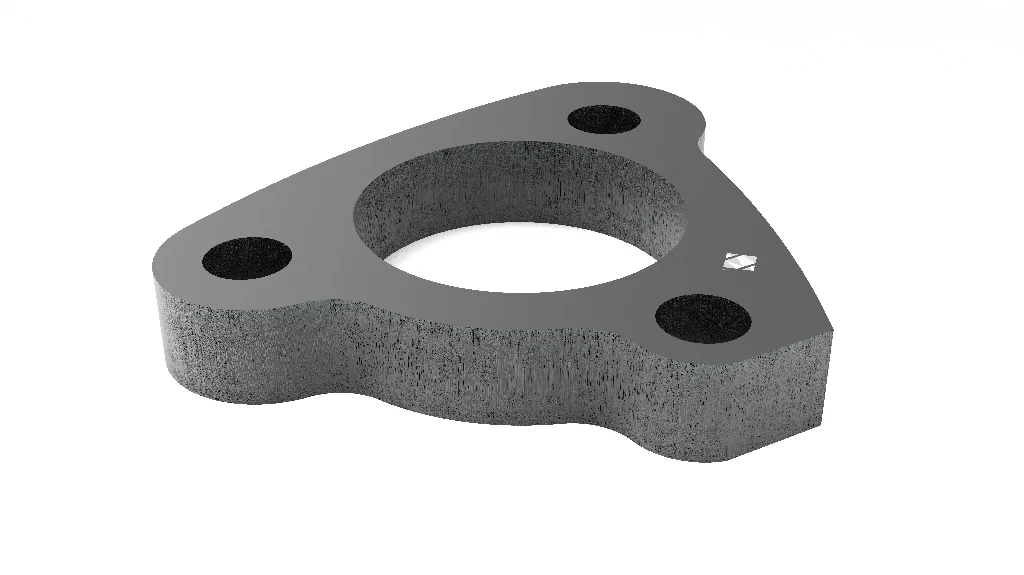
Oxy-fuel cutting was one of the earliest methods used in steel fabrication, particularly for thick carbon steel plates. This process involves heating the metal using a flame and then introducing oxygen to oxidize and remove the material.
Technical Characteristics
- Suitable for thick plates (10 mm and above)
- Cutting speeds: approximately 300-800 mm/min
- Heat-affected zone (HAZ): High (2-6 mm)
- Edge quality: Rough
Advantages
- Low initial cost
- Effective for thick materials
- Simple operation
Limitations in PEB Manufacturing
While oxy-fuel cutting is useful for heavy sections, it lacks precision. The high heat input often leads to:
- Material distortion
- Inconsistent dimensions
- Additional finishing requirements
In modern PEB manufacturing, where precision is critical, these limitations make oxy-fuel cutting less suitable for detailed components.
Stage 2: Plasma Cutting – The Transition Phase
Plasma cutting marked a significant improvement over oxy-fuel technology. It uses an ionized gas (plasma arc) to melt and eject metal at high speed.
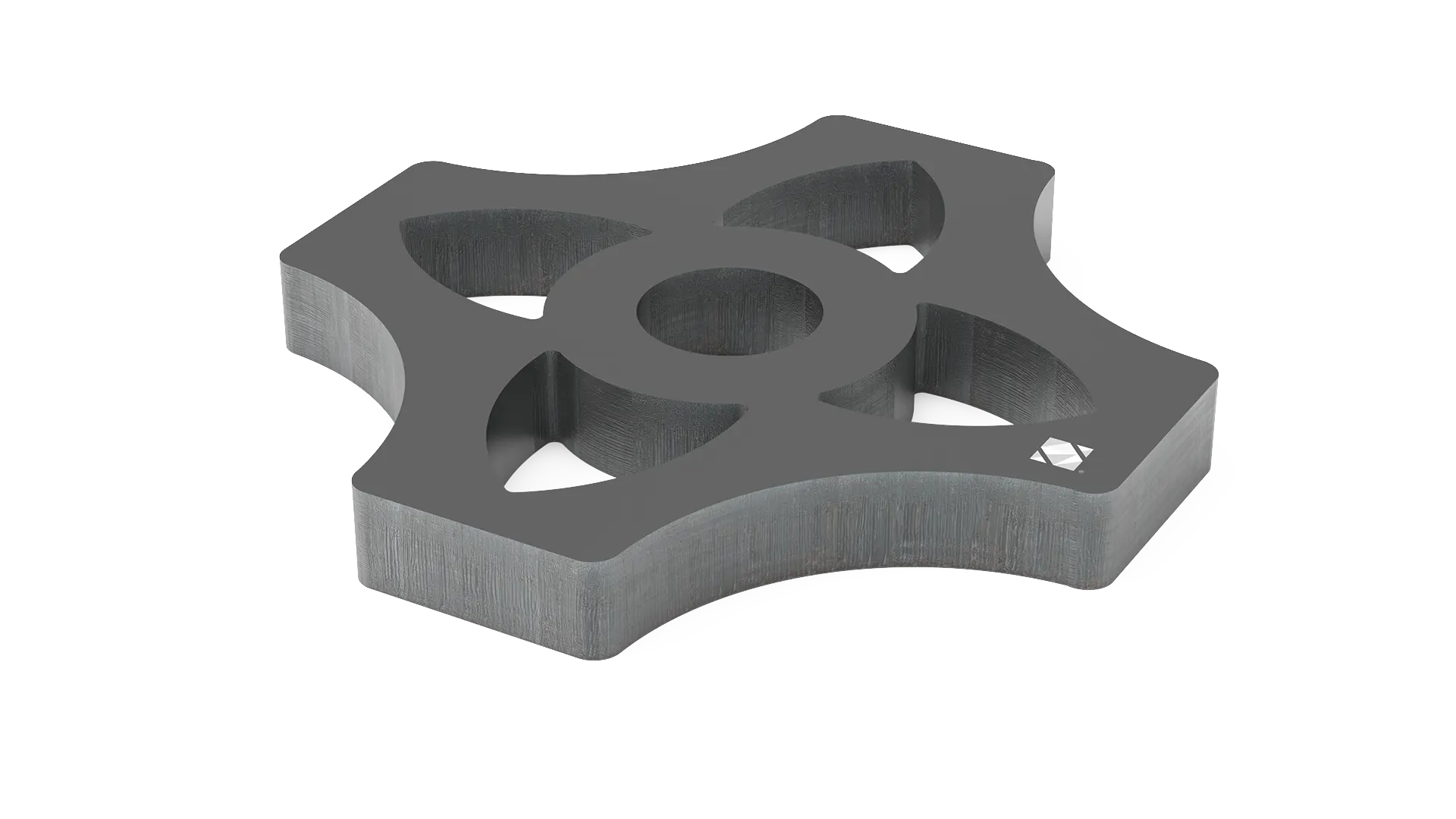
Technical Characteristics
- Thickness range: 1 mm to 40 mm
- Cutting speeds: 1500-6000 mm/min
- HAZ: Moderate (0.5-2 mm)
- Accuracy: ±0.3 to ±0.5 mm
Advantages
- Faster cutting speeds
- Ability to cut various metals
- Better edge quality than oxy-fuel
- Limitations in PEB Manufacturing
Despite improvements, plasma cutting still presents challenges:
- Dross formation on edges
- Slight taper in cuts
- Requirement for secondary finishing
For high-volume PEB manufacturing, these issues can impact productivity and consistency. Many industries like Automotive parts and Construction have already started shifting toward more precise cutting machine for metal technologies.
Stage 3: Fiber Laser Cutting – The Modern Standard
The introduction of fiber laser cutting has revolutionized PEB manufacturing. Unlike thermal cutting methods, fiber lasers use a concentrated beam of light to melt and vaporize material with extreme precision. You can also explore more in Building Smarter, Faster, Stronger: The Power of Fiber Laser in PEB Manufacturing.
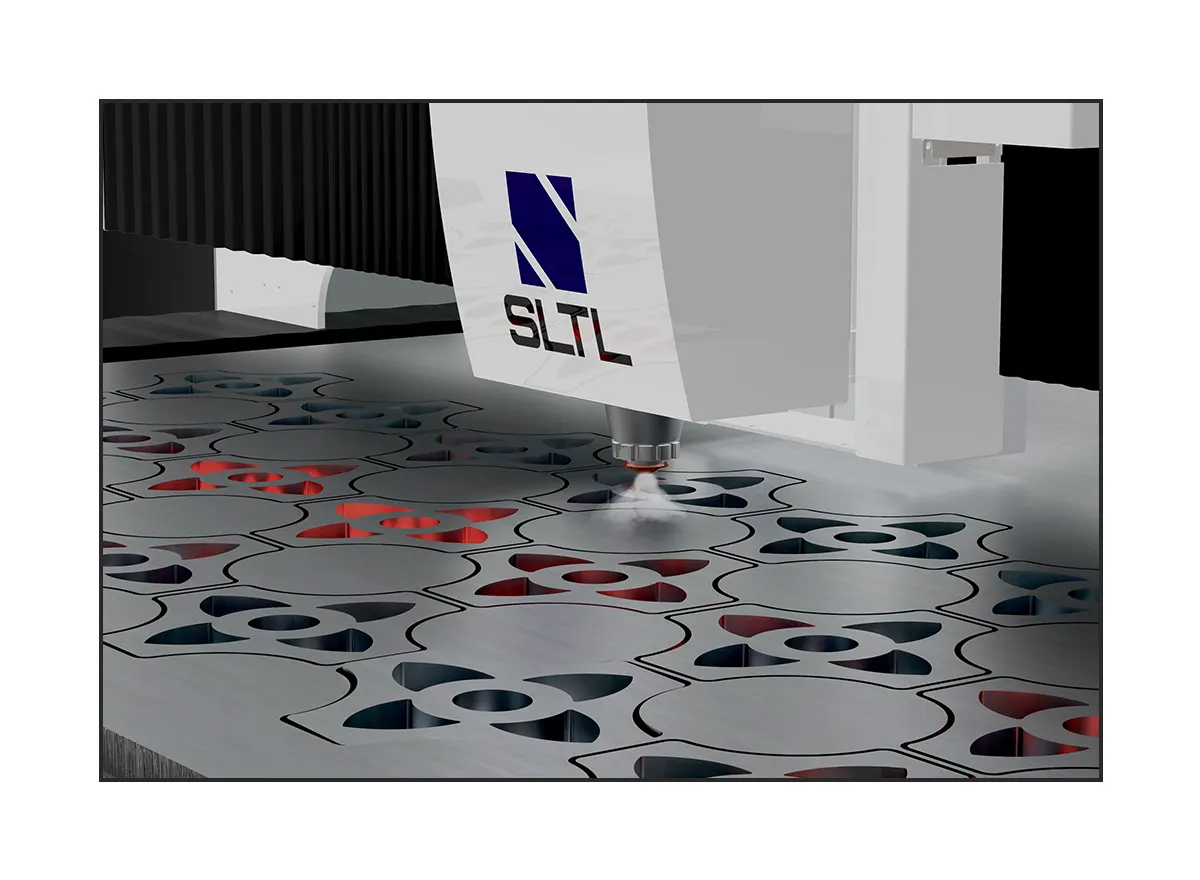
Technical Characteristics
- Thickness range: 0.5 mm to 25 mm (depending on power)
- Cutting speeds: up to 20-40 m/min (thin sheets)
- Accuracy: ±0.05 mm
- HAZ: Minimal (<0.5 mm)
- Kerf width: ~0.1-0.3 mm
Advantages
- Exceptional precision and repeatability
- Smooth, burr-free edges
- Minimal heat distortion
- High-speed processing
- Compatibility with automation
Fiber laser cutting has become the preferred choice for modern PEB fabrication due to its ability to meet stringent quality and productivity requirements. A modern Laser cutting machine or CNC Laser Cutting Machine helps achieving this level of precision consistently.
Why Fiber Laser Cutting is Transforming PEB Manufacturing
- Precision for Structural Accuracy: PEB structures rely on bolted connections, where even small deviations can cause misalignment. Fiber laser cutting ensures tight tolerances, enabling perfect fit-up. This is also explained in detail in Why Precision Cutting Matters in PEB Structural Integrity?.
- Reduced Thermal Distortion: Minimal heat input preserves material properties and prevents warping, which is critical for maintaining structural integrity.
- High-Speed Production: Fiber lasers significantly reduce cycle time, making them ideal for large-scale PEB manufacturing. A High power laser cutting machine is especially useful for thicker materials, while a Lower power laser cutting machine works efficiently for thinner sheets.
- Integration with Digital Systems: Modern fiber laser machines integrate with CAD/CAM and nesting software, enabling automated and optimized production workflows.
- Improved Material Utilization: Advanced nesting techniques reduce scrap and improve cost efficiency.
Industry Shift: From Thermal to Photonic Cutting
The evolution from oxy-fuel to plasma and now to fiber laser represents a shift from heat-intensive processes to precision photonic engineering. This transition is driven by the need for:
- Higher accuracy
- Faster production
- Lower operational costs
- Better quality control
In PEB manufacturing, this shift is essential for meeting global standards and handling large-scale projects efficiently. Many industries such as Aerospace, Electronic, and Medical devices depend heavily on such high-precision Laser cutter systems.
Impact on Productivity and Cost Efficiency
The adoption of advanced cutting technologies has a direct impact on manufacturing performance:
- Reduced production time
- Lower labor dependency
- Minimal rework
- Improved consistency
Fiber laser cutting, in particular, enables manufacturers to achieve higher output while maintaining quality, making it a key driver of profitability in PEB manufacturing. Combining processes like Laser welding machine and Laser engraving machine further improves efficiency. You can also read How Combining Laser Cutting, Welding and Marking Machine Reduces Operational Costs to understand this integration better.
Future Trends in Cutting Technologies
The future of cutting technologies in PEB manufacturing is focused on:
- Ultra-high-power fiber lasers (20kW and above)
- AI-driven process optimization
- Fully automated fabrication lines
- Sustainable and energy-efficient systems
Industries like Tool and Mold Manufacturing and Jewellery are also adopting these advancements to improve precision and reduce manual work. Technologies like Handheld Laser welding machine are also gaining popularity for flexibility in fabrication.
Conclusion
The evolution of cutting technologies has played a crucial role in shaping modern PEB manufacturing. While oxy-fuel and plasma cutting laid the foundation, fiber laser cutting has emerged as the benchmark for precision, speed, and efficiency.
As the demand for high-quality, large-scale steel structures continues to grow, adopting advanced cutting technologies is no longer optional-it is essential for staying competitive. Fiber laser cutting represents the future of fabrication, enabling manufacturers to deliver superior performance, reduced costs, and faster project completion.
If you are planning to upgrade your fabrication setup, this is the right time to switch to advanced laser solutions. You can get a free demo of our laser cutting machine, laser welding machine, or marking systems and understand how they can improve your production quality and speed.
Connect with SLTL Group today and take the next step toward business growth. You can reach us at +919925036495 or email us at mkt@sltl.com. You can also visit our website www.sltl.com to explore our full range of solutions and request your demo.
Frequently Asked Questions (FAQs)
How do I choose the right cutting technology for my PEB manufacturing?
You should first check your material thickness, required accuracy, and production volume. If you need high precision and speed, a fiber laser cutting machine is the best choice for your operations.
Why is my current cutting process causing alignment issues during assembly?
This usually happens due to low accuracy and high heat distortion. You should switch to a CNC Laser Cutting Machine to achieve tight tolerances and better fit-up during assembly.
Is fiber laser cutting really better than plasma cutting for my work?
Yes, you will get better edge quality, higher accuracy, and less rework. Fiber laser cutting reduces finishing work and improves overall productivity in your fabrication process.
How can I reduce material wastage in my cutting process?
You should use advanced nesting software with a laser cutting machine. This will help you optimize sheet usage and reduce scrap, which directly saves your cost.
My production speed is slow. What can I do to improve it?
You should upgrade to a high power laser cutting machine. It will increase your cutting speed and reduce cycle time, especially for thick materials.
Do I need different machines for cutting, welding, and marking?
Not necessarily. You can combine processes using laser solutions like laser welding machine and laser engraving machine to improve efficiency and reduce operational cost.
Is a handheld laser welding machine useful for my fabrication work?
Yes, you can use a handheld laser welding machine for flexible and quick welding tasks. It is easy to use and reduces heat impact compared to traditional welding.
How does cutting accuracy affect my final PEB structure quality?
You will see direct impact on alignment and strength. Better accuracy ensures proper fitting of components, which improves overall structural integrity.
Can I get a demo before investing in a laser machine?
Yes, you can request a free demo to understand how the machine works for your application. This helps you make the right decision before investing.
How can I start upgrading my fabrication setup with laser technology?
You can connect with experts, share your requirements, and get a suitable machine recommendation. This will help you move toward faster and more efficient production.
Author Bio

Mayank Patel
R&D HeadMayank Patel is the Head of Research & Development at SLTL Group, bringing over 20+ years of hands-on experience in the field of laser technology. A forward-thinking innovator, he has played a pivotal role in developing advanced laser cutting, welding, and marking solutions tailored for diverse industries. Under his leadership, SLTL’s R&D division continues to push the boundaries of what laser systems can achieve in modern manufacturing.